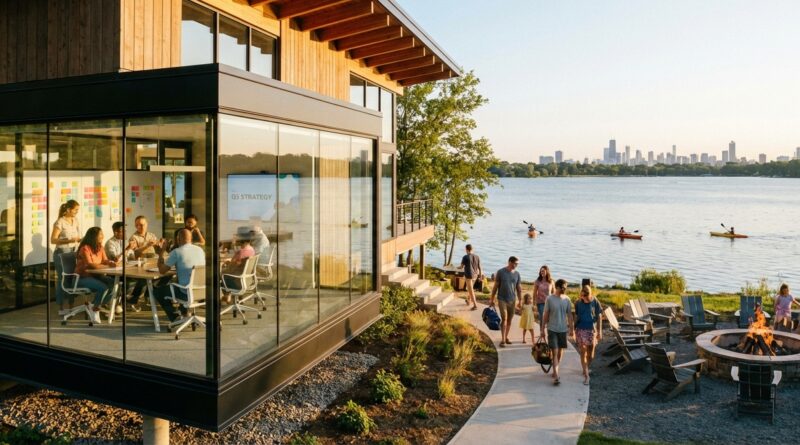
From Offsite To “Bleisure Basecamp”: Why 2026’s Smartest Corporate Retreats Are Built Around Long‑Weekend Micro‑Vacations
Your team is tired, and they can tell when a “retreat” is really just meetings in a nicer zip code. After years of hybrid work, bad commutes, crowded midweek office days, and calendars packed with forced collaboration, people are not craving another Tuesday-to-Thursday offsite. They are craving something that respects their time. That is why the smartest post pandemic corporate retreat bleisure trends 2026 are moving toward a different model: the bleisure basecamp. Think of it as a retreat designed around a long weekend, in one easy-to-reach hub, with focused work up front and optional personal time built in after. It feels lighter. It photographs better. More importantly, it gives leaders a better answer when finance asks, “Why are we spending on this?” You are not just paying for alignment. You are creating a shared experience people actually want to attend, remember, and talk about later.
⚡ In a Hurry? Key Takeaways
- A bleisure basecamp works better than a standard offsite because it mixes two tight workdays with optional mini-vacation time.
- Start with one drivable destination, avoid peak hybrid commute days, and keep the official agenda short and purposeful.
- This format can make retreat budgets easier to defend because one travel spend supports both team planning and a real employee perk.
Why the old offsite format is losing people
The classic offsite used to be simple. Book a hotel. Add breakout rooms. Sprinkle in a keynote and a team dinner. Done.
But employees changed faster than retreat planning did.
Now people are balancing school drop-offs, long commutes, flexible schedules, and rising travel costs. They are also much quicker to spot when an event is dressed up as a reward but feels like extra work. If they have to sit in traffic Tuesday morning, spend two days in windowless sessions, and get home late Thursday night, they may attend. They probably will not love it.
That matters more than many leaders admit. A retreat is one of the few big culture moments a company can still create in person. If that moment feels heavy, the company loses more than enthusiasm. It loses the story employees tell about what kind of place this is.
What a “bleisure basecamp” actually means
This is not about turning a retreat into a paid vacation. It is about designing the retreat around how people already want to travel.
A bleisure basecamp has three simple parts:
1. One easy hub
Pick a place most of the team can reach without heroic travel. That usually means a drivable regional destination or a short direct flight. The point is to reduce friction before the event even starts.
2. Two focused workdays
Days one and two are where the official company agenda lives. Keep them tight. Real decisions. Clear workshops. Shared meals. Maybe one memorable experience. Not eight hours of slides.
3. An intentional handoff into personal time
Then comes the part many companies miss. Instead of squeezing every last minute into programming, you leave room for people to turn the trip into a long weekend. Some stay with coworkers. Some bring a partner. Some head home early. The company creates the basecamp. Employees choose the ending.
That freedom is what makes it feel modern.
Why this works better in 2026
The timing is not random. Several pressures are all showing up at once.
Hybrid commuting is making midweek travel worse
Many offices still see the biggest in-person push on Tuesdays, Wednesdays, and Thursdays. So when you schedule a retreat squarely inside that crunch, you are competing with the worst traffic, the fullest trains, and the busiest family logistics.
A long-weekend format sidesteps a lot of that pain. Start on a Thursday afternoon or Friday morning. End official programming by Saturday. Let people decide what comes next.
Retreat budgets need a stronger story
Finance teams are asking harder questions. If office footprints are shrinking and teams are spread out, every gathering needs to do more. A bleisure basecamp gives you a better answer than “we needed face time.”
You can say the event drove planning, training, and culture goals in a short, measurable window. You can also say the format improved attendance appeal without adding five days of company-paid programming.
Employees now value flexibility almost as much as compensation
People remember when work respects real life. A retreat that creates room for personal choice lands very differently from one that consumes an entire week. It feels less like a command and more like a thoughtful offer.
How to build one without losing the business purpose
This is the part leaders worry about most. If we make it more relaxed, will it stop feeling useful?
Only if you let the agenda sprawl.
Keep the official goal narrow
Do not try to solve every team issue in one retreat. Pick two or three outcomes that matter. Examples:
- Set the next six-month priorities
- Train managers on a specific process
- Align product, sales, and customer teams around one launch
- Welcome a newly merged or newly remote team into one shared culture moment
If the retreat cannot be summed up in a sentence, it is too big.
Front-load the important sessions
Put the highest-value work in the first day and a half. People are freshest then. Attention drops sharply when attendees feel trapped in endless programming. A shorter schedule also gives your best sessions more weight.
Design for memory, not volume
One great dinner in a place people want to photograph beats three generic networking blocks. One outdoor activity that gets people talking beats another panel. You are not trying to fill time. You are trying to create a shared reference point.
A simple blueprint leaders can use right now
If you want this to work, keep it boringly practical.
Step 1: Pick a drivable hub
Choose a city or resort town within reasonable reach for the biggest share of your team. Think simple flights, decent parking, reliable hotels, and nearby food or activities.
Step 2: Schedule around the commute crush
A Thursday-Friday retreat with optional Saturday-Sunday extension often works better than Tuesday-Thursday. You avoid some midweek office chaos and naturally open the door to a long weekend.
Step 3: Keep the company-paid agenda to 36 hours or less
That is usually enough for arrival, a strategy block, a team meal, next-day workshops, and a wrap-up. Past that point, returns start to drop.
Step 4: Offer optional add-ons, not mandatory fun
Share a list of nearby hikes, restaurants, beaches, museums, family activities, or coworking spots. Let people build their own mini-vacation. The key word is optional.
Step 5: Be crystal clear about what the company covers
This matters. Spell out hotel nights, per diem rules, partner policies, check-out dates, and any employee-paid extensions. If people have to guess, they get nervous, and nervous people do not book happily.
What employees actually hear when you frame it this way
Language matters here.
If the invitation says, “Mandatory offsite for alignment and cross-functional collaboration,” people hear obligation.
If it says, “We are gathering for two focused days, then leaving room for anyone who wants to turn the trip into a long weekend,” people hear respect.
Same event budget. Very different emotional reaction.
That reaction affects attendance, energy in the room, and what gets shared afterward. And yes, that last part counts. If no one posts a photo, tells a friend, or mentions the trip later, it probably did not feel special.
Common mistakes that ruin the idea
Turning optional time into stealth programming
If Saturday morning suddenly becomes a “casual innovation breakfast,” people will see right through it. Optional time has to stay optional.
Choosing a destination that is annoying to reach
A beautiful place with two layovers is not a gift. It is a test.
Overloading the agenda because “we have everyone here”
This is the oldest trap in retreat planning. Yes, you have everyone in one place. No, that does not mean you should cram in every presentation that did not fit elsewhere.
Forgetting different life stages
Some employees will want to stay and explore. Some need to get home to kids or caregiving duties. A good bleisure basecamp works for both groups and does not make either feel awkward.
How to sell the idea internally
If you are in HR, culture, operations, or events, you may need to explain why this is not “retreat fluff.”
Try this framing:
- It reduces wasted time by concentrating the work portion.
- It can improve attendance appeal without extending paid programming.
- It respects hybrid commuting patterns instead of fighting them.
- It creates a stronger culture moment than a standard hotel meeting block.
- It gives employees flexibility, which is now a real retention factor.
You are not lowering the business value. You are cutting the dead weight around it.
What success looks like
A successful bleisure basecamp is not measured only by attendance.
Look for signs like these:
- People arrive with less travel fatigue
- Meetings end with actual decisions, not vague enthusiasm
- Employees stay engaged through the last official session
- Some attendees choose to extend their stay on their own
- The retreat becomes something people mention months later
That last point is easy to dismiss, but it matters. The best retreats become part of company memory. They are the event people compare future gatherings to.
At a Glance: Comparison
| Feature/Aspect | Details | Verdict |
|---|---|---|
| Traditional offsite | Usually midweek, meeting-heavy, fixed agenda, little personal flexibility | Still useful for dense planning, but often feels like extra work |
| Bleisure basecamp | One easy destination, two focused workdays, optional long-weekend extension | Best fit for 2026 teams that value flexibility and memorable experiences |
| Budget justification | Ties travel spend to strategy outcomes plus a more attractive employee experience | Easier to defend than a generic “team bonding” trip |
Conclusion
Leaders are being squeezed from both sides right now. Budgets are tighter, office space is smaller, traffic is worse on peak hybrid days, and employees are quietly telling you they want flexibility and real life baked into work, not tacked on later. That is exactly why the bleisure basecamp idea fits this moment so well. It gives culture and HR teams a practical plan: choose one drivable hub, build a sharp agenda for days one and two, then intentionally hand people the freedom to turn the trip into a mini-vacation if they want. You stop fighting the calendar and start working with it. You turn one travel spend into both strategy time and genuine time off. Most of all, you make attendance feel like a perk instead of a mandate. That is the difference between an offsite people endure and one they remember.