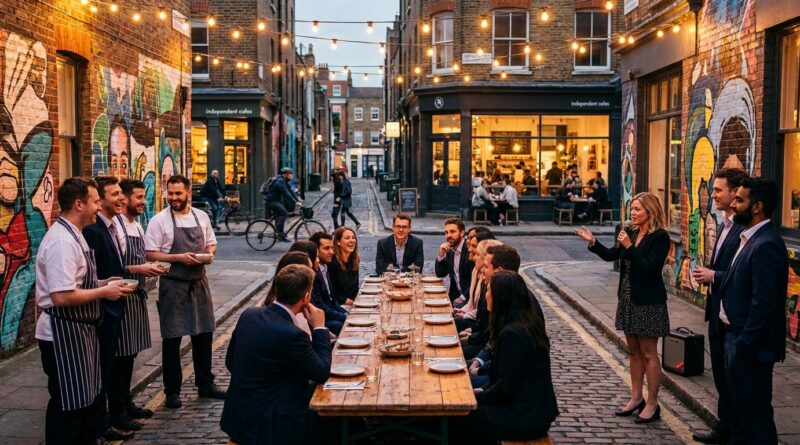
From Offsite To Locals-Only Retreat: Why 2026’s Smartest Teams Now Trade Bucket-List Destinations For Neighborhood-Scale Experiences
Your team is not being difficult. They are tired. Tired of airports, tired of forced fun, tired of spending two days traveling to sit in a hotel conference room that could be anywhere. After the pandemic, a lot of people changed what “worth it” means. If they are leaving home, missing school pickups, arranging pet care, or burning energy on travel, they want the time to feel human. Not staged. Not beige. Not like another meeting with better snacks. That is why local corporate retreat ideas post pandemic are catching on so quickly in 2026. Smart companies are shrinking the distance but improving the experience. Instead of flying everyone to a bucket-list destination, they are creating neighborhood-scale retreats within a 90-minute radius. The result is often better attendance, lower cost, less stress, and more honest connection. It turns out people do not need a passport stamp to bond. They need time, care, and a setting that feels real.
⚡ In a Hurry? Key Takeaways
- Local retreats work because they cut travel pain while still giving teams real face-to-face connection.
- Start with a 90-minute travel radius and build a retreat around one clear goal, not a packed agenda.
- This approach is often more inclusive, more budget-friendly, and easier on the climate than long-haul offsites.
Why the old offsite formula is wearing out
For years, the big company retreat followed a familiar script. Pick a flashy location. Book a resort. Fly everyone in. Add a keynote, a team dinner, a few breakout sessions, and maybe a trust exercise nobody asked for.
On paper, it sounds great. In real life, many employees experience it as a lot of disruption for not much depth.
That is the heart of the shift. People still want in-person time. They just do not want the hassle wrapped around it. The post-pandemic workforce is more distributed, more caregiving-heavy, more budget-conscious, and more honest about burnout. A retreat now has to earn its place on the calendar.
That is also why some companies are exploring mixed formats. If your team still needs occasional travel, it is worth reading From Offsite To Bleisure-Retreat: Why 2026’s Smartest Teams Now Let People Add Real Vacation To Company Trips. It speaks to the same problem from a different angle. People are not rejecting togetherness. They are rejecting friction.
What a locals-only retreat actually means
A locals-only retreat does not mean cheap, lazy, or last-minute. It means designing a high-quality in-person experience close to where most attendees already live.
Usually, that means within a 90-minute travel radius. Sometimes it is even closer. Think boutique hotels, coworking lofts, botanical gardens, artist studios, neighborhood restaurants, small wellness venues, farms, cooking schools, museums, or private event spaces with personality.
The point is not to go small. The point is to go thoughtful.
What teams are trading away
They are trading long security lines, visa paperwork, jet lag, baggage delays, and three wasted travel days.
What they are getting instead
They get easier attendance, less stress, lower costs, and more room for actual conversation. They also get the nice feeling of coming back from a gathering energized instead of wrung out.
Why neighborhood-scale experiences often feel more real
There is something oddly flattening about generic resorts. They are built to offend nobody, which often means they excite nobody either.
Local retreats can feel more grounded because they borrow from places that already have character. A private bakery class in a neighborhood people love. A strategy session in a restored library. A dinner hosted by a local chef who tells stories about the area. A guided walk through public art with a real historian, not a corporate entertainer reading from a script.
These details matter because memory is sticky when it connects to place. Your team is more likely to remember the great conversation they had in a courtyard cafe than the seventh ballroom they have visited in five years.
The practical reasons leaders are making the switch
This is not only about vibes. There are clear business reasons behind the move.
Budget pressure is real
Flights, hotel blocks, airport transfers, and per diems add up fast. Local retreats free up money for better food, stronger facilitation, thoughtful gifts, or follow-up experiences later in the year.
Inclusion matters more now
Not everyone can disappear for four or five days. Caregivers, parents, people with health needs, and employees dealing with immigration or travel limits can be left out by destination-heavy planning. Local formats make participation easier.
Climate concerns are no longer a side note
Many companies have sustainability goals. Cutting flights is one of the simplest ways to reduce the footprint of team gatherings without cutting the gathering itself.
More frequent connection beats one giant annual event
One huge offsite each year can feel like a pressure cooker. Smaller local retreats can happen more often. That makes culture-building less performative and more consistent.
How to plan a local retreat that does not feel second-rate
This is where some leaders get nervous. If the retreat is close to home, will it feel too ordinary?
It will if you treat it like a regular meeting. It will not if you design it with care.
1. Start with one outcome
Do not begin with the venue. Begin with the reason for gathering. Is this retreat for trust-building, strategic planning, onboarding, conflict repair, celebration, or creative work?
Pick one primary goal. Two at most. A retreat that tries to do everything usually does nothing especially well.
2. Create a clear break from normal work
Even if people are only traveling 45 minutes, the day should feel different from office life. Change the setting. Change the pace. Change the rhythm.
That might mean no laptops during the first half of the day. It might mean walking meetings, shared meals at one long table, or structured reflection time instead of nonstop presentations.
3. Choose venues with personality, not just capacity
A beautiful small venue can do more for connection than a huge bland one. Look for natural light, outdoor space, comfortable seating, good acoustics, and a sense of place.
If the room says “budget training seminar,” your team will feel it.
4. Keep travel simple
The magic number for many teams is 90 minutes or less door to door. The easier the trip, the more likely people are to arrive in a good mood.
Arrange group shuttles if needed. Share parking info early. Build around train access if possible.
5. Leave breathing room
Do not overpack the schedule. People need space to wander into good conversations. If every minute is assigned, the retreat turns into another workday in casual clothes.
6. Use local talent
Bring in local chefs, artists, guides, facilitators, musicians, or makers. This gives the event flavor and supports the community around you.
Local corporate retreat ideas post pandemic that actually work
If you need practical formats, here are some of the strongest ones companies are using right now.
Strategy day plus neighborhood dinner
Spend the afternoon in a bright local venue working through one major business question. End with a private dinner at a beloved local restaurant.
Wellness morning, work session, early finish
Start with yoga, breathwork, or a nature walk. Then do your core team session. Wrap by late afternoon so caregivers can get home without stress.
Creative workshop retreat
Use a pottery studio, cooking school, print shop, or flower workshop for shared activity. Pair it with a short planning session. This works especially well for teams that are overly screen-based.
Micro-retreat series
Instead of one giant annual offsite, run four local half-day or one-day retreats throughout the year. This often builds stronger culture over time.
Community service plus reflection
Volunteer locally, then hold a debrief over a shared meal. This creates a sense of purpose that can feel more meaningful than generic team-building games.
Local overnight with real downtime
If budget allows, book a small nearby inn or boutique hotel for one night. This keeps the special feeling of “getting away” without the pain of long-distance travel.
Common mistakes to avoid
Going local is not automatically better. There are still traps.
Do not make it feel like a cheaper substitute
If your message is “we cannot afford the fun version,” people will read the whole retreat through that lens. Frame it as a better fit for how people live now.
Do not fill the day with presentations
If everyone sits theater-style watching slides for six hours, you have recreated the exact problem people were hoping to escape.
Do not ignore the commute experience
A retreat can be technically local and still annoying to reach. Test the route yourself. Check traffic patterns. Think like a tired employee, not just an event planner.
Do not forget optionality
Some people love after-hours social time. Others need to head home. Build a core experience that works for everyone, then make extras optional.
How to make a local retreat still feel like a privilege
This part is important. The best local retreats do not feel smaller. They feel more personal.
Welcome people well. Feed them properly. Give them good coffee, thoughtful seating, and moments that are not rushed. Use handwritten place cards if the group is small enough. Build in surprise. Maybe that is a local dessert box to take home, a fireside chat with a founder, or a sunset boat ride on a nearby lake.
Luxury is not always distance. Often, it is attention.
At a Glance: Comparison
| Feature/Aspect | Details | Verdict |
|---|---|---|
| Travel burden | Local retreats cut flights, airport delays, and multi-day disruption, often keeping travel under 90 minutes. | Big win for attendance and energy. |
| Team connection | Smaller, place-based experiences often create more genuine conversation than generic resort schedules. | Often stronger than destination offsites. |
| Cost and sustainability | Lower transport costs and fewer flights make local retreats easier on both budgets and emissions. | Smart choice for 2026 planning. |
Conclusion
The smartest retreat planners in 2026 are noticing something simple. Bigger travel does not always create better connection. People still want the spark of being together, but they want it without the exhaustion, expense, and theater of old-school offsites. That is why local corporate retreat ideas post pandemic matter so much right now. They meet the moment. Travel fatigue, budget pressure, and climate concerns are colliding with a basic human need to gather in real life. Locals-only retreats give teams that missing depth without the long-haul flights, visa drama, or week-long absences that are hard on caregivers and hybrid workers. If you can build retreat magic inside a 90-minute radius, you can make gatherings more frequent, more inclusive, and more sustainable. Best of all, they can still feel special. Not like an obligation. Like something people are genuinely glad they said yes to.