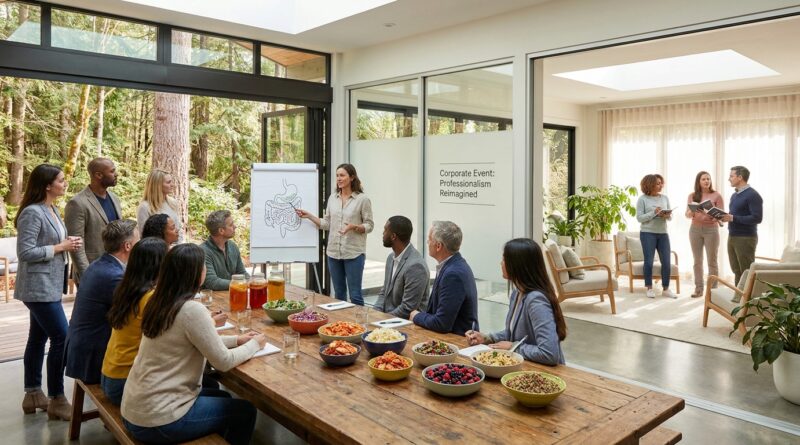
From Offsite To Gut-Health Retreat: Why 2026’s Smartest Teams Now Put Microbiomes On The Agenda
Your team is tired. You can see it in the glazed eyes during the airport transfer, the third coffee before lunch, and the quiet stampede toward whatever snack table appears first. Then someone asks you to plan a retreat that improves performance, lifts morale, and somehow does not feel like forced fun. That is a lot. It also explains why the post pandemic corporate gut health retreat is starting to sound less like wellness hype and more like practical operations.
Gut health is not just a spa buzzword anymore. It sits at the crossroads of energy, sleep, mood, digestion, and even how steady people feel through a long day of workshops and travel. You do not need to turn your offsite into a medical program. You do need to stop pretending that a yoga class at 7 a.m. and a bowl of granola can fix burnout. The smarter move for 2026 is a microbiome-aware retreat agenda. Think better food timing, less blood sugar chaos, more fiber, less alcohol pressure, and simple education people can actually use when they get home.
⚡ In a Hurry? Key Takeaways
- A post pandemic corporate gut health retreat works best when it focuses on better meals, sleep support, stress reduction, and realistic scheduling, not expensive biohacking.
- Start with one retreat day built around fiber-rich food, hydration, walking meetings, and a short expert-led session on digestion, mood, and energy.
- Keep it science-aware and voluntary. Avoid medical claims, extreme diets, or testing gimmicks that can create privacy and trust problems.
Why gut health is suddenly on the corporate retreat agenda
Because the old formula is wearing out.
For years, the standard offsite template was simple. Fly everybody in. Feed them heavily. Put them in dark meeting rooms. Add cocktails. Hope a keynote and a team-building exercise create magic. Then act surprised when people leave more drained than when they arrived.
Post-pandemic, people are paying closer attention to how work affects their bodies. HR teams are paying closer attention too. Burnout, poor sleep, stress eating, travel fatigue, and anxiety are not side issues anymore. They are culture issues. They shape performance, retention, and how safe a workplace feels.
That is where gut health comes in. The gut is tied to digestion, yes, but also to comfort, routine, and energy. If your retreat schedule wrecks sleep, floods people with sugar and alcohol, and gives them no time to reset, you are not building connection. You are creating a two-day recovery project.
What a microbiome-aware retreat actually means
It does not mean every attendee gets a stool test and a lecture on bacteria strains.
For most companies, a microbiome-aware retreat means designing the event around conditions that support digestive health and steady energy. That usually includes:
- Meals with plants, protein, and fiber instead of constant beige buffet food
- Reasonable meal timing so people are not grazing on pastries all day
- Hydration stations that are easier to find than the espresso machine
- Lighter evening alcohol expectations
- Movement that feels natural, like walks, stretching, or outdoor sessions
- Sessions scheduled with breaks that let nervous systems settle
- Optional education from a qualified dietitian or clinician, not a wellness influencer with miracle claims
That is the key point. This is not about turning your retreat into a clinic. It is about building an environment where people can think clearly, participate fully, and not spend half the afternoon battling bloating, caffeine jitters, or an energy crash.
Why this works better than the usual wellness add-on
Most retreat wellness programming gets tucked into the margins. A sunrise yoga class for the already-converted. A smoothie bar near registration. Maybe a mindfulness app code in the swag bag.
Nice ideas. Thin impact.
Gut health changes the center of the agenda because food, timing, stress, sleep, and social pressure shape the whole event. If you improve those, the retreat feels better from top to bottom.
It meets people where they actually are
Your team may not want breathwork at dawn. They probably do want lunch that does not knock them flat. They probably do want fewer back-to-back sessions and a dinner that does not end with everyone pretending they are thrilled about one more round.
It avoids the “forced wellness” trap
People can be skeptical of anything that feels preachy or trendy. Fair enough. But “we planned meals and schedules so you feel human” lands better than “please optimize your whole self before breakfast.”
It gives leadership a better story
If you are pitching this internally, frame it as support for focus, resilience, and recovery. That is easier to defend than vague wellness language. It is also closer to the truth.
How to build a post pandemic corporate gut health retreat without blowing the budget
The good news is that this does not have to cost more than a normal offsite. In some cases, it costs less because you are swapping excess for thoughtfulness.
1. Fix the food first
If you do one thing, do this.
Work with the venue or caterer on meals that are satisfying without being heavy. Ask for:
- Vegetables and fruit at every meal
- Beans, lentils, whole grains, or other fiber-rich options
- Protein choices that are not all fried or ultra-processed
- Breakfasts with eggs, yogurt, oats, fruit, and whole-grain options
- Snacks like nuts, fruit, hummus, popcorn, or yogurt instead of candy bowls only
- Clear labels for common allergens and dietary needs
You do not need to ban dessert or serve a joyless menu. You are aiming for balance, not punishment.
2. Rethink the coffee and alcohol setup
Coffee is not the enemy. A retreat built entirely on cold brew and adrenaline is the problem.
Keep coffee. Also offer water, herbal tea, sparkling water, and easy grab-and-go hydration. For evening events, reduce the social pressure around drinking. Put the nonalcoholic choices front and center, not in some sad corner by the ice bucket.
3. Stop overpacking the agenda
Stress affects the gut. So does rushing.
Leave breathing room between sessions. Build in walks. Use outdoor conversations where possible. Cap late-night programming. People do better work when their bodies are not being yanked from panel to panel on a sugar high.
4. Bring in one credible expert
A registered dietitian, physician, or qualified nutrition professional can run a short session on digestion, travel eating, energy, and realistic habits. Keep it practical. Thirty to forty-five minutes is enough.
Think “how to survive conference food and sleep better on travel days,” not “the secret cure hidden in your gut.”
5. Make participation optional
This matters. Wellness can get weird fast when it feels mandatory.
Offer options. A guided walk instead of a boot camp. A nutrition session instead of a cleanse challenge. A quiet recovery room instead of more stimulation. Adults like choice. Respecting that builds trust.
What not to do
Some gut-health ideas sound exciting and are a bad fit for a corporate setting.
Avoid medical theater
On-site testing, supplement stacks, detox messaging, and extreme elimination diets can create privacy, safety, and legal headaches. They also risk making employees feel watched or judged.
Do not promise health outcomes
You can say the retreat is designed to support comfort, energy, and wellbeing. Do not say it will fix IBS, anxiety, or chronic fatigue. That is not your lane.
Do not make food moral
Skip the “good foods versus bad foods” talk. Many people have complicated relationships with eating, dieting, or digestive symptoms. Keep the tone supportive and neutral.
Do not build around trends nobody can maintain
If the retreat menu only works in a luxury resort with a private chef, it will not translate back to real life. The best retreat ideas are the ones people can reuse on a normal Tuesday.
A sample one-day microbiome-aware retreat agenda
Here is a format you can actually pitch this quarter.
Morning
- Arrival with water, tea, coffee, fruit, yogurt, oats, eggs, and whole-grain options
- Opening session
- 90-minute workshop block
- 15-minute movement or outdoor break
Lunch
- Buffet with vegetables, grains, beans, proteins, and simple desserts
- Clear labels for dietary needs
- No working lunch if you can help it
Afternoon
- Short expert talk on gut health, energy, sleep, and travel routines
- Small-group sessions or walking meetings
- Snack break with nuts, fruit, hummus, and sparkling water
Evening
- Dinner at a reasonable hour
- Strong nonalcoholic menu
- Optional social activities that do not run too late
That is not radical. That is the point. It is realistic, grown-up, and likely to leave people feeling better.
How to sell this idea internally
If you call it a gut-health retreat, some stakeholders will hear “trend.” If you frame it as a smarter performance and recovery design, they are more likely to listen.
Use language like:
- travel resilience
- energy stability across long program days
- inclusive food planning
- reduced burnout pressure
- employee experience and retention
This is especially useful if leadership wants measurable value. You can survey people afterward on energy, satisfaction with food options, ability to focus, and whether the schedule felt sustainable. Those are not medical claims. They are event-quality signals.
Who this is best for
A microbiome-aware retreat makes the most sense for teams that travel often, work under stress, or have started to see wellness as part of retention rather than a nice extra.
It is a strong fit for:
- Sales teams living out of hotels
- Leadership offsites with heavy cognitive load
- Remote-first companies bringing people together a few times a year
- HR-led culture retreats that want something fresher than standard self-care programming
It may be less useful if your event is a one-night celebration with minimal programming. In that case, borrow a few ideas instead of trying to force the full concept.
The bigger shift behind this trend
The rise of gut-health retreats in the travel world tells you something bigger. People are no longer separating wellness from performance as neatly as they used to. They are noticing that mood, focus, sleep, digestion, and resilience are connected.
Work events are catching up.
That does not mean every company should chase every wellness trend. It does mean smart planners should pay attention when a topic moves from boutique spas into mainstream behavior. Gut health has done that.
At a Glance: Comparison
| Feature/Aspect | Details | Verdict |
|---|---|---|
| Traditional retreat wellness | Often limited to yoga, smoothies, or swag while the main schedule still runs on stress, sugar, and late nights | Looks good on paper, weaker in real impact |
| Microbiome-aware retreat design | Improves food quality, timing, hydration, movement, and sleep support across the whole event | More practical and more likely to help people feel and perform better |
| High-tech or extreme gut-health programs | Testing kits, detox language, supplements, restrictive diets, and medical-sounding promises | Risky for trust, privacy, and budget. Best avoided in most corporate settings |
Conclusion
The smartest thing about a post pandemic corporate gut health retreat is not that it feels trendy. It is that it solves a real problem in a very human way. People do better when they are fed properly, hydrated, less rushed, and not pushed into a schedule that wrecks sleep and digestion. Post-pandemic, wellness is no longer a nice-to-have at corporate retreats. It is a risk and retention lever. With gut-health retreats growing fast across the wider travel market and interest in gut health still climbing, there is a short window for HR and operations leaders to stand out. Treat digestive health as core infrastructure for focus, mood, and resilience, and you can build a retreat that respects science, fits a normal budget, and gives your team something rarer than another slide deck. A format they will still be talking about at the next all-hands.