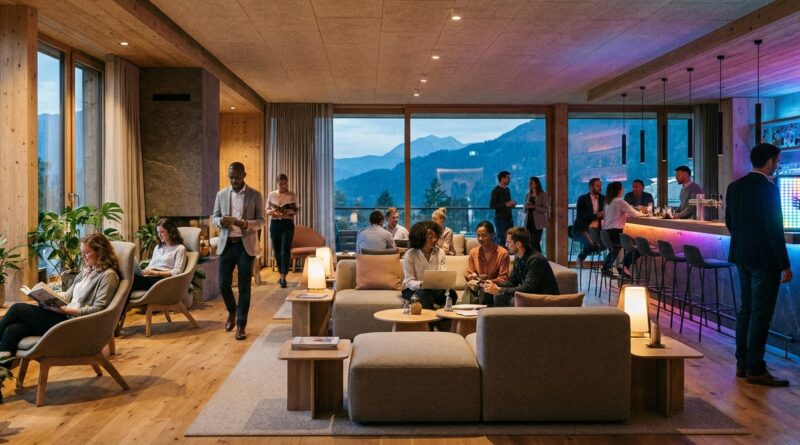
From Offsite To Multi-Sensory Retreat: Why 2026’s Smartest Teams Now Design Gatherings Around Space, Sound And Light
You know the feeling. You spend months planning an offsite, fly everyone into a perfectly fine hotel, and by lunch on day one the room already feels flat. Beige walls. Harsh ceiling lights. Coffee station in the hallway. The agenda may be smart, but the space quietly tells people, “survive this meeting.” That is the real shift behind post pandemic corporate retreat design trends 2026. Teams are no longer judging retreats against old business travel standards. They compare them to the best boutique hotel, restaurant, spa, club, or festival they have paid for themselves. If the environment feels generic, energy drops fast. The good news is you do not need a luxury budget to fix this. The smartest organizers now design around space, sound, and light. They ask different venue questions, divide one room into different energy zones, and match the atmosphere to the moment so work sessions, meals, and downtime each feel intentional.
⚡ In a Hurry? Key Takeaways
- Great retreats now depend as much on atmosphere as agenda. Space, sound, and light shape whether people focus, connect, or check out.
- Start by asking venues about flexible layouts, lighting control, outdoor access, and audio options, not just room capacity and projector screens.
- You do not need a full redesign. Small changes in furniture setup, music timing, and lighting can lift energy and improve ROI without adding days or major cost.
Why the old offsite formula feels tired now
For years, corporate retreats followed a familiar script. Big meeting room. Long rows of chairs. Buffet lunch. Team dinner. Repeat. It worked well enough when expectations were lower and business travel felt routine.
That world is gone. After the pandemic, people became much more aware of how spaces make them feel. They got used to choosing their own work environment, their own lighting, their own soundtrack, and their own pace. At the same time, hotels and resorts started renovating for a guest who wanted more than a bed and a conference floor.
Owners began putting money into flexible lounges, outdoor social areas, wellness spaces, and app-controlled ambiance because plain, generic rooms stopped winning bookings. Now that same expectation has arrived at team gatherings.
Your team may not say it out loud, but they notice. They notice whether the room has daylight. They notice whether there is somewhere quiet to reset. They notice whether every part of the day happens in the same dead-feeling box.
The big idea: design for energy, not just logistics
Most retreat planning still starts with headcount, budgets, flights, and meeting blocks. Of course those things matter. But the best retreat planners in 2026 are adding another layer. They ask, “What should people feel in this part of the day?”
That one question changes everything.
A strategy session needs alertness and focus. A welcome mixer needs warmth and low social friction. A leadership Q&A needs calm, trust, and good acoustics. Reflection time needs quiet and a sense of space. If you run all of those in the same room with the same lighting and the same furniture layout, you flatten the experience.
Think of it like your phone settings. You do not use max brightness, loud notifications, and battery saver for every task. Different moments need different settings. Retreats work the same way.
What “multi-sensory design” actually means in plain English
This phrase can sound expensive and a little silly. It is not. It just means using the environment on purpose instead of accepting whatever the venue gives you.
Space
How people move through a place affects how they behave in it. Rows of chairs signal passive listening. Small clusters invite conversation. Lounge seating lowers the temperature of the room and makes people more open. Standing tables can keep short sessions lively.
Sound
Bad sound drains people faster than planners realize. Echoey rooms make it harder to listen. Constant background noise raises stress. On the other hand, quiet arrival music, clean microphones, and intentional silence between sessions can help the day breathe.
Light
Lighting is mood control. Bright, cool light can help with workshop focus. Warmer, softer light can make evening social time feel relaxed. Natural light helps almost everything. If a venue can dim, brighten, or zone lights by area, that is a real advantage.
How to ask better venue questions
This is where many retreat budgets get wasted. Organizers ask about square footage, breakout rooms, and menu options, then discover too late that the “main meeting room” feels like a waiting area for jury duty.
Start asking questions like these instead:
About layout
Can one large room be divided into smaller zones without feeling cramped? Can furniture be moved easily? Are there lounge pieces, soft seating, high-top tables, or outdoor setups available?
About lighting
Can the lights be adjusted during the day? Is there natural daylight? Can parts of the room be lit differently from others? What does the room look like at 8 a.m., 2 p.m., and after dinner?
About sound
Does the room echo? Is there a built-in sound system? Can you control music by zone or time of day? Is there noise spill from neighboring events?
About decompression space
Is there a terrace, courtyard, library corner, garden path, or side lounge where people can step away without leaving the event entirely? This matters more than people think.
About transition space
Where do people gather between sessions? A lot of retreat culture happens in those in-between moments. If all you have is a pre-function hallway and an urn of coffee, that is the tone you are setting.
Turn one venue into three different experiences
You do not always need a better property. Sometimes you just need to stop using the same square footage the same way all day.
A simple approach is to create three “energetic zones.”
1. Focus zone
This is for strategy, planning, and presentations. Keep it bright, uncluttered, and acoustically clean. Use chairs that face one clear focal point, but avoid schoolroom rows if you can. Curved seating or grouped tables usually feels better.
2. Social zone
This is where people connect without being forced into “networking.” Use softer seating, food nearby, lower tables, and warmer lighting. Music should be present but not so loud that people need to shout.
3. Reset zone
This is the overlooked one. Give people a quiet corner, outdoor benches, a wellness room, or a phone-free lounge where nothing is happening. A retreat that never lets people decompress usually becomes a retreat people endure.
If this sounds close to a members’ club or creative studio, that is the point. Those spaces are built around how people actually gather, not just how they are counted.
Time the atmosphere to the agenda
One of the smartest changes in post pandemic corporate retreat design trends 2026 is that organizers are paying attention to timing, not just setup.
Energy changes across the day. Your environment should change with it.
Morning
Use brighter light, fresh air if possible, quick movement, and a setup that gets people upright and mentally alert. This is a good time for hard thinking.
Midday
This is where many offsites collapse. Heavy lunch plus stale room plus no transition equals dead energy. Fix it with a room reset, a short walk outside, a standing discussion, or a change in seating before the next session begins.
Evening
Do not drag daytime energy into social time. Shift to warmer light, better music, and a more relaxed floor plan. If dinner still feels like a breakout session, people will leave early or retreat to their phones.
Why this matters for ROI, not just vibes
Some leaders still hear “better ambiance” and think it sounds like a perk. But a retreat is expensive no matter what. Flights, rooms, meals, lost work time, planning hours. If you are already spending that money, it makes sense to make the environment support the outcome.
Better sensory design can improve focus, increase real conversation, reduce social fatigue, and make key moments more memorable. That gives organizers a much stronger answer when someone asks whether an offsite was worth the cost.
It also fits a larger shift. Retreats are being treated less like one-off morale boosters and more like culture systems. If you want to build on that idea, From Offsite To Ritual Retreat: Why 2026’s Smartest Teams Design Gatherings As Ongoing Practices, Not One‑Off Trips makes a strong case that the best events do not try to manufacture magic in three frantic days. They create repeatable patterns people can carry back into work.
Small upgrades that make a big difference
You do not need scented fog machines and custom furniture to make this work. Start with practical changes.
Use lamps, not just ceiling lights
If the venue allows it, a few portable lamps in lounge or discussion areas can make a room feel less clinical.
Change the chair pattern between sessions
Even a quick shift from theater style to cabaret clusters can wake people up because the room no longer feels static.
Build in music on purpose
Use low-volume music for arrivals, breaks, and social openings. Turn it off when focus matters. Silence can be as useful as sound.
Protect at least one quiet area
Not every attendee recharges by talking more. Give introverts and overloaded extroverts somewhere to breathe.
Use outdoor space whenever possible
A courtyard coffee break often does more for attention than another espresso station indoors.
Think about scent carefully
Fresh air, plants, and a clean environment help. Strong fragrances usually do not. Keep comfort and allergies in mind.
Common mistakes to avoid
There are a few traps planners keep falling into.
Trying to do everything in one mood
If your strategy workshop, happy hour, and reflection circle all feel the same, people stop responding.
Overpacking the schedule
No environment can save a retreat that gives people no time to process, move, or connect naturally.
Assuming expensive means effective
A luxury venue with poor flow can underperform a simpler property with good light, flexible rooms, and strong common spaces.
Ignoring acoustics
People will forgive average chairs before they forgive struggling to hear all day.
At a Glance: Comparison
| Feature/Aspect | Details | Verdict |
|---|---|---|
| Traditional conference setup | One room, fixed seating, bright overhead lights, minimal atmosphere control | Easy to book, but often drains energy and limits connection |
| Flexible multi-zone layout | Separate areas for focus, social time, and decompression using the same venue footprint | Best value for most teams because it improves experience without huge extra spend |
| Tech-driven ambiance | Adjustable lighting, clean audio, timed playlists, easy AV controls, outdoor integration | Worth paying for when it supports agenda flow and reduces fatigue |
Conclusion
The beige-box offsite is not dead because people got picky. It is fading because expectations got more honest. Hotel and resort owners are already spending real money on post-pandemic renovations that favor flexible social zones, wellness-adjacent spaces, and tech-driven ambiance, because generic rooms no longer convert. Corporate retreats are now catching up. Teams want spaces that feel more like a great club, studio, or boutique stay, and less like a holding pen outside ballroom C. The good news is that you can start now without adding days or wrecking the budget. Ask sharper questions. Break one room into different energy zones. Match sound, light, and movement to the kind of interaction you want. Do that well, and your retreat stops looking like a nice-to-have perk. It starts looking like what it should be, a deliberate culture investment people can actually feel.