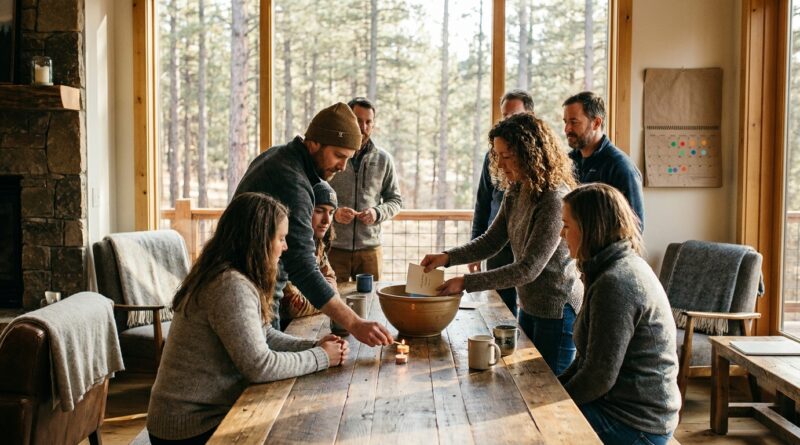
From Offsite To Ritual Retreat: Why 2026’s Smartest Teams Design Gatherings As Ongoing Practices, Not One‑Off Trips
People are tired of the fake magic trick. A company flies everyone out, schedules a packed three days of workshops, yoga, dinners and trust falls, then calls it culture. By the next Tuesday, everyone is back in Slack, back in meetings, and back to the same habits. If that sounds familiar, you are not being cynical. You are noticing the gap between an event and a practice. That gap is exactly why the smartest post pandemic corporate retreat trends 2026 ritual based offsites are moving away from the one-big-trip model. They are building retreats around repeatable rituals instead. Not bigger moments. Better follow-through. The point is no longer to create a memorable weekend. It is to create a few simple behaviors that teams can keep doing long after the plane ride home. That shift matters because employees do not want another staged bonding exercise. They want honest connection they can actually feel in the work week.
⚡ In a Hurry? Key Takeaways
- Ritual-based offsites work better than one-off retreats because they create habits teams keep using after the event ends.
- Start with 2 or 3 low-friction rituals, like weekly check-ins or monthly story circles, and build your retreat around practicing them live.
- This approach is easier to defend on budget because it can show up in engagement, retention and team behavior, not just photos and feedback forms.
The old offsite model is wearing out
For a while, the classic post-pandemic retreat had an easy pitch. Bring people together. Rebuild connection. Add a keynote, some wellness, a nice dinner and a few breakout sessions. Done.
The problem is that most of these trips were built like a movie trailer. Lots of energy. Good visuals. Very little lasting plot.
That is why many leaders now feel stuck. They know culture matters. They know in-person time can help. But they also know employees can smell forced fun from a mile away. If the retreat feels disconnected from daily work, people treat it like corporate theater.
The smarter move in 2026 is to stop asking, “What should happen on the trip?” and start asking, “What should still be happening 90 days later?”
What a ritual-based retreat actually means
A ritual is not some grand ceremony. It is just a repeatable action with shared meaning.
Think of the small things healthy teams already do well. A weekly round where everyone shares one win and one blocker. A monthly meeting where someone tells the story behind a project, not just the result. A habit of opening planning sessions by naming what matters most this week. These are rituals.
A ritual-based retreat uses in-person time to start, test and normalize those practices.
Event thinking versus practice thinking
Event thinking says the retreat itself is the product. Practice thinking says the retreat is the launchpad.
That sounds subtle, but it changes everything:
- The agenda gets simpler.
- The follow-up gets stronger.
- The team leaves with shared behaviors, not just shared memories.
This is also why related trends like wellness-centered gatherings are getting attention. If you read Why 2026’s Best Corporate Retreats Feel Like Pop‑Up Wellness Labs, Not Offsites, you can see the same shift happening there too. The best gatherings are becoming more intentional, less bloated, and more tied to how people actually work and recover.
Why employees trust rituals more than “culture initiatives”
Most employees have lived through enough reorganizations, return-to-office debates and branding exercises to know that big promises often fade fast. So when leadership says, “We are investing in culture,” many people hear, “Here comes another temporary campaign.”
Rituals feel different for one simple reason. They are visible.
You do not have to believe a slide deck about belonging if your manager starts every team meeting by making space for real conversation. You do not have to trust a mission statement if teams have a standing habit of recognizing behind-the-scenes work. Rituals make culture tangible.
They survive messy reality
This matters more than it sounds. A good ritual can survive:
- hybrid schedules
- new managers
- team growth
- reorgs
- busy quarters
A fancy retreat theme usually cannot.
What the smartest teams are doing differently in 2026
The teams getting this right are not spending all their money on spectacle. They are designing gatherings around a few questions.
1. What behavior are we trying to make normal?
Not “What experience do we want people to have?” Start with behavior.
Examples:
- Giving more useful feedback
- Speaking up earlier about risks
- Making space for quieter voices
- Building peer recognition into regular work
If you cannot name the behavior, the retreat is probably too vague.
2. What can be repeated without a huge budget?
This is where many retreat plans fall apart. They create moments that only work in a resort setting with a facilitator, custom swag and a very forgiving finance team.
A better test is this: can the team keep doing this on a normal Wednesday?
If yes, you may have a real ritual. If no, you probably have entertainment.
3. Who owns it after the retreat?
Rituals die when they belong to nobody.
Every ritual needs a home. Sometimes that is a manager. Sometimes it is a rotating team host. Sometimes People Ops sets the structure and team leads keep it alive. But someone has to own the next step.
Examples of retreat rituals that actually stick
You do not need a dramatic reinvention. In fact, the best rituals are often plain on purpose.
The “manuals, not assumptions” session
During the retreat, each person creates a short user manual. How they like feedback. When they do their best work. What stresses them out. What people often misunderstand about them.
Then teams revisit those manuals every quarter.
This works because it cuts down on guesswork. It also keeps paying off long after the event.
The 15-minute weekly red flag round
Teams practice this live at the retreat. Once a week after that, each person names one risk, one resource need, or one thing drifting off track.
Not dramatic. Very useful.
This kind of ritual improves trust because it rewards early honesty instead of polished updates.
Monthly story circles
Instead of only reporting metrics, one team member shares the story behind a project. What surprised them. What went wrong. What changed their mind.
Story circles are simple, but they build context and empathy across distributed teams. People stop seeing one another as boxes on an org chart.
Recognition with receipts
At the retreat, people practice recognizing each other with specifics. Not “Great job.” More like, “You caught a client risk early and saved the launch.”
Then that same format becomes a standing five-minute ritual in a weekly or monthly meeting.
How to design a ritual-based retreat without making it feel corny
This is the fear, right? Nobody wants to swap one type of cringe for another.
Keep the ritual tied to real work
If it has nothing to do with how the team collaborates, decides, ships, supports customers or solves problems, people will clock it as fluff.
The best rituals are not separate from work. They improve work.
Make it short enough to survive
Fifteen minutes beats ninety. Monthly beats “whenever we can.” A ritual people can keep is better than a beautiful one they abandon in two weeks.
Build in consent and flexibility
Not everyone wants the same level of sharing. Good rituals offer structure without forcing vulnerability on command.
That means prompts instead of pressure. Options instead of scripts. Room for introverts, remote workers and different communication styles.
How to justify the budget to skeptical leadership
If you are trying to get buy-in, stop selling the retreat as morale. Sell it as behavior change.
That changes the conversation fast.
Use a before-and-after frame
Before the gathering, identify 2 or 3 team problems:
- slow feedback loops
- cross-functional misunderstandings
- weak onboarding connection
- meeting fatigue with low trust
Then tie each problem to one ritual the retreat will launch.
Now the trip is not just an expense. It is an intervention with a clear reason behind it.
Track practical signals, not just smiles
Post-event surveys are fine, but they should not be the whole story.
Look at signs like:
- whether the ritual still happens after 30, 60 and 90 days
- manager feedback on team openness
- engagement scores related to belonging or psychological safety
- retention trends in teams using the rituals consistently
That is the kind of evidence a budget owner can respect.
Common mistakes that quietly ruin these retreats
Trying to launch too many rituals at once
Three is plenty. One is fine. Ten is a recipe for forgetting all of them.
Over-designing the experience
When every minute is programmed, people do not have time to absorb what matters. Leave space. Conversation needs air.
Calling everything a ritual
A ritual has to be repeatable and meaningful. A karaoke night can be fun. It is not automatically a ritual.
Ignoring manager behavior
If leaders do not model the new practice, the team will treat it like a temporary assignment. The retreat can open the door. Managers decide whether it stays open.
At a Glance: Comparison
| Feature/Aspect | Details | Verdict |
|---|---|---|
| Traditional offsite | High-energy, packed schedule, memorable in the moment, often weak follow-up once people return to normal routines | Good for a short morale bump, poor for lasting culture change |
| Ritual-based retreat | Built around a small set of repeatable team practices that are introduced in person and continued over time | Best choice for durable trust, clearer habits and measurable behavior change |
| Wellness-led gathering | Focuses on recovery, energy and sustainable work patterns, often pairing well with ritual design if tied back to daily team habits | Strong add-on when wellness is practiced, not just offered as a perk |
Conclusion
Hybrid and return-to-office fights have made people wary of anything called culture building or team bonding, and honestly, that reaction makes sense. Nobody wants another expensive trip that creates a polished recap video and no real change. That is why ritual-driven retreats matter. They give leaders something concrete to invest in and something employees can actually feel later. Small, low-friction practices travel better than grand themes. They survive team changes, support distributed work and are much easier to connect to engagement, trust and retention. If 2026 ends up being the year companies spend more on gathering again, the smartest ones will not use that money to stage bigger moments. They will use it to start better habits. That is the real shift in post pandemic corporate retreat trends 2026 ritual based offsites. Fewer fireworks. More follow-through. And for most teams, that is exactly what has been missing.