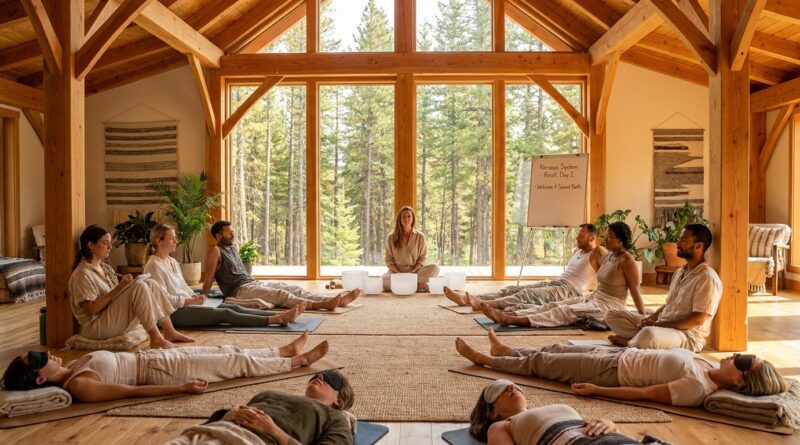
From Offsite To Burnout-Recovery Retreat: Why 2026’s Smartest Teams Now Design Gatherings As Live Nervous-System Reset
Your team does not need another retreat that feels like a two-day meeting in nicer clothes. They need relief. If you have watched people arrive at an offsite already tired, half-distracted, and weirdly tense, you are not imagining it. Hybrid work gave many people freedom, but it also turned the workday into a constant drip of pings, split attention, and low-grade stress. So when leaders plan a retreat around strategy decks, forced fun, and sunrise yoga no one asked for, the whole thing can land with a thud. That is why the smartest planners are changing course. The new thinking around post pandemic corporate retreat burnout recovery is simple. Stop treating gatherings as rewards or productivity sprints. Start treating them as live nervous-system reset spaces. When people feel safe, rested, and cared for, they listen better, connect faster, and actually remember what happened when they get home.
⚡ In a Hurry? Key Takeaways
- Teams in 2026 are getting more value when retreats are designed for burnout recovery and nervous-system calm, not packed agendas.
- Build in quiet time, shorter sessions, phone-free moments, optional wellness practices, and real recovery windows between activities.
- This is not about trends or fluff. It helps protect your budget by making the retreat feel useful, humane, and easier to carry back into daily work.
Why the old offsite formula is starting to fail
For years, the basic recipe was easy. Fly everyone somewhere nice. Add presentations, team dinners, a group activity, maybe a keynote, and call it culture-building.
That formula worked better when people were not already maxed out before they even boarded the plane.
Now many employees show up carrying months of accumulated mental tabs. They are behind on messages, stretched across time zones, and used to working in tiny bursts between calls. Their bodies do not switch from stressed to relaxed just because the hotel lobby smells like eucalyptus.
That is the key mistake. Leaders often plan for what they want people to do at the retreat. They forget to plan for the state people are arriving in.
What changed after hybrid work
Post-pandemic work did not just change where people sit. It changed how their nervous systems operate.
Many workers now live in a pattern of constant partial attention. They are always reachable. Meetings stack up. Breaks get smaller. Home and office blur together. Even good flexibility can come with a hidden cost when every hour feels a little bit claimed.
So the retreat is no longer just a nice change of scenery. For many teams, it is one of the few moments in the year where the company can show, in a very real way, “We know you are tired, and we are going to make this easier on your body and brain.”
What a “nervous-system reset” retreat really means
This phrase can sound a bit airy until you make it practical.
A live nervous-system reset is not about turning your sales team into meditation teachers. It means designing the event so people can come down from constant alert mode.
That usually includes a few simple things
Predictable schedules. Fewer abrupt transitions. Less sensory overload. More chances to sit quietly. Better sleep support. Food at sensible times. Time that is not over-programmed. Activities that help people feel grounded instead of performed at.
It also means dropping the idea that every minute has to prove its worth.
If that sounds familiar, it connects closely with From Offsite To Outcome-Free Retreat: Why 2026’s Smartest Teams Now Design For Unscripted Time, Not Wall-to-Wall Agendas. Unscripted time is not wasted time. For burned-out teams, it is often the part that makes the rest of the retreat work.
Why wellness is moving from side activity to main purpose
Fresh retreat demand data points in the same direction. More groups are booking experiences because people need recovery, not just recreation. Mental health and burnout support are now major reasons organizations and individuals choose retreat-style gatherings. Interest in somatic practices and restorative formats has climbed sharply.
That does not mean every company needs breathwork, sound healing, or a barefoot circle at sunset.
It does mean many workers are looking for experiences that help them feel settled again. Some teams will respond well to guided stretching or quiet reflection. Others may prefer nature walks, device-free meals, journaling, coaching, or simply a schedule with enough breathing room that they can hear themselves think.
The format matters less than the feeling it creates. The question is not, “What is trendy?” The question is, “What helps this group exhale?”
How to design a retreat that actually helps burned-out people
1. Start with the arrival state, not the business agenda
Before you lock the program, ask a blunt question. How depleted is this team right now?
If the answer is “very,” a heavy agenda is the wrong opening move. Build the first half-day around decompression. Easy check-in. Good food. Space to settle. One short welcome session. Maybe a walk. Maybe free time. Give people time to land physically, not just logistically.
2. Reduce cognitive load
People get tired when they have to keep switching gears.
Keep instructions clear. Avoid sending everyone across a property five times in one afternoon. Cut unnecessary choices. Use one central place for schedule updates. Start and end sessions on time. If attendees have to work hard just to track what is happening, they burn energy you want them to save for connection and reflection.
3. Build in true downtime
This is where many companies get nervous. They fear dead air.
But downtime is often where the retreat starts doing its real job. People nap. They talk one-on-one. They walk outside. They stop performing. That is when trust and clarity often show up.
Not sure how much is enough? A good rule is to leave white space after emotionally heavy or highly social sessions. People need recovery after intensity, even positive intensity.
4. Make wellness optional, not mandatory theater
Nothing kills calm faster than forced relaxation.
Offer a menu. Morning stretch, quiet lounge space, guided breathing, massage slots, outdoor walk, journaling corner, early bedtime options. Let people choose. Some employees recharge in silence. Others need movement. Others need actual conversation.
Choice helps people feel respected, and that alone can lower resistance.
5. Protect sleep like it matters, because it does
Late-night socials and early breakfast sessions are a classic retreat trap.
If burnout recovery is part of your goal, stop treating sleep as expendable. Do fewer evening obligations. End formal programming earlier. Avoid punishingly early starts. Choose venues where rooms are quiet and comfortable. You do not need a luxury resort. You need a place where people can rest.
6. Keep the “working sessions” shorter and better
You can still do strategy work. You probably should.
Just do not cram six hours of slides into a day and expect anyone to be creative. Shorter sessions, stronger facilitation, more discussion, and actual breaks will beat marathon presentations every time.
When people are regulated, they think better. That is not soft. It is efficient.
What this looks like in real life
Picture two versions of the same company retreat.
Version one has airport arrivals, a packed welcome dinner, 8 a.m. sessions, breakout rooms all day, a team challenge before dinner, then drinks until late. On paper, it looks full. In reality, people survive it.
Version two has a slower first day, light programming on arrival, shorter strategy blocks, outdoor breaks, optional restorative sessions, tech-light meals, and a quiet hour built in before dinner. Same budget range, often. Very different result.
In the second version, people tend to speak more honestly, listen more fully, and leave feeling less drained than when they arrived. That is the point.
How to avoid making it feel gimmicky
Some leaders worry that talking about burnout recovery will sound performative. Fair concern.
The fix is to keep it concrete. Do not make big promises about transformation. Do not suddenly sprinkle wellness jargon over a standard corporate schedule.
Instead, show care through design
Give people margin in the schedule. Stop booking every minute. Offer spaces that are quiet. Communicate clearly. Feed people well. Respect personal boundaries. Let introverts breathe. Let tired parents sleep. Let nobody feel judged for skipping the karaoke.
Care is less about branding and more about what the day actually feels like.
The retreat should change life back at work too
This part matters most.
If the retreat becomes a beautiful bubble and then everyone goes straight back to back-to-back calls, the benefit fades fast. The smartest teams use the retreat as a test run for healthier norms.
Bring home a few habits
Maybe that means shorter meetings. More camera-optional calls. Protected lunch hours. Fewer Slack pings after hours. Focus blocks with no internal meetings. Better manager check-ins. More realistic project pacing.
If the retreat teaches people what calm and focus feel like, daily work should not immediately erase the lesson.
How to pitch this internally if you control the budget
You do not have to sell this as a wellness crusade.
Sell it as smarter event design.
A retreat that ignores burnout often wastes money because attendees are too tired to engage. A retreat that supports recovery gets better participation, better conversation, and better follow-through. People remember how the company made them feel. If they felt pushed, they forget the message. If they felt cared for, they are more open to the message.
That is not a nice extra. It is the mechanism.
Simple signs your retreat is helping, not draining
You can usually tell pretty quickly.
Good signs
People put their phones down without being nagged. Conversations carry on after sessions. The room gets more relaxed on day two, not flatter. Attendees say they felt human again. Managers notice more honesty and less guardedness.
Bad signs
People keep sneaking work during sessions. Energy crashes hard after lunch. Nobody uses the “fun” activity unless pushed. Feedback says the place was nice but the event felt exhausting. That is your clue the format missed the moment.
At a Glance: Comparison
| Feature/Aspect | Details | Verdict |
|---|---|---|
| Traditional offsite | Packed agenda, long sessions, late socials, minimal downtime, wellness as an add-on | Often looks productive but can leave already-stressed teams more depleted |
| Burnout-recovery retreat | Shorter work blocks, quiet time, optional restorative activities, clear pacing, sleep-friendly schedule | Better fit for post pandemic corporate retreat burnout recovery goals |
| Best long-term value | Retreat lessons are carried back into daily norms like fewer meetings and more recovery space | Strongest return, because the event changes culture instead of just filling a calendar slot |
Conclusion
The big shift is simple. Retreats are no longer just about getting people together in person. More of them are about helping tired people feel steady again. That is why this matters right now. Demand is being pushed by stress and burnout as much as by team bonding or travel, and companies that ignore that risk spending real money on events that feel oddly out of touch. The latest signals are clear. Mental health and burnout recovery are now central reasons people book retreat experiences. Interest in somatic formats and practices like sound healing is rising fast. More broadly, people heading into events in 2026 increasingly rate feeling cared for and personally restored as a core outcome, not a bonus. So if leaders recast the offsite as a live lab for nervous-system repair, then bring those lessons back into normal work, they do more than improve a retreat. They help build a calmer, sharper, more sustainable culture all year long.