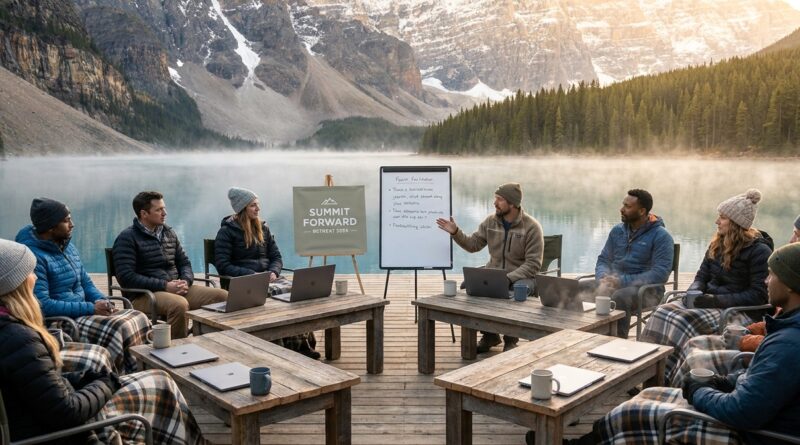
From Offsite To Cool‑Climate Retreat: Why 2026’s Smartest Teams Now Chase ‘Business Cool‑cations’
Your team probably does not need another “inspiring” retreat that ends with sunburn, stale conference coffee and people hiding in their rooms to recover from travel stress. That old formula is wearing thin. After years of Zoom fatigue, unpredictable weather and tighter budgets, employees want something that feels genuinely restorative. Leaders do too. That is why more companies are shifting from standard offsites to cool-climate retreats in 2026. Think mountain towns, lakeside lodges, forest properties and northern destinations where people can breathe, sleep and actually focus. The appeal is practical, not trendy. Cooler temperatures make group sessions more comfortable, outdoor time more usable and travel days less punishing. Just as important, these trips often feel more thoughtful, which matters when staff are judging whether a company retreat is for them or simply for the company. If you are looking for cool climate corporate retreat ideas, the smartest plans now mix comfort, purpose and a setting that helps people reset.
⚡ In a Hurry? Key Takeaways
- Cool-climate retreats are replacing hot-weather offsites because they reduce travel fatigue, improve comfort and make team time feel more restorative.
- Start with destinations that offer mild weather, easy transfers, good meeting space and simple outdoor activities instead of overpacked agendas.
- The best value comes from balancing wellness and work, so your retreat is remembered for clear thinking and connection, not heat exhaustion and expensive extras.
Why “business cool-cations” are taking off
The shift is not hard to understand. People are tired. Not just busy. Tired in that modern, low-grade, always-on way that comes from video calls, patchy sleep, crowded airports and too much time indoors.
So when a company announces a retreat, employees are no longer automatically thrilled. They are quietly asking a few basic questions. Will this be worth the trip? Will I come back more drained than before? Will this just be work in a different building?
Cooler destinations answer those questions better than many beach or city conference setups. A retreat in a fresh, mild setting feels like a break from climate stress instead of an extension of it. That matters more than planners used to think.
What changed after the pandemic
Pre-2020, many retreats were built around density and convenience. Pack everyone into a resort. Fill every hour. Add one sunset dinner. Call it culture-building.
That formula is weaker now for three reasons.
1. People care more about physical comfort
If your team is sticky, overheated, jet-lagged or trapped in heavily air-conditioned rooms all day, they are not in the best state for trust-building or creative thinking. Comfort is not a luxury. It shapes how people show up.
2. Wellness is now part of the job experience
Employees notice whether a company talks about wellbeing or actually plans for it. A cooler retreat with walking trails, daylight, quiet hours and healthier pacing signals real care much more clearly than a branded beach towel ever could.
3. Finance teams want proof the trip was worth it
CFOs are asking tougher questions. If the retreat costs real money, what did the company get back? Cooler settings can help here too. Better sleep, fewer weather disruptions, more usable outdoor time and stronger attendance all make the retreat easier to justify.
What makes a cool-climate retreat better than a standard offsite
This is where the idea moves from “nice sounding” to useful.
More energy for the actual work
Heat drains attention fast. If people spend the morning recovering from poor sleep and the afternoon trying not to melt, your strategy session is already in trouble. In cool or mild weather, teams can think more clearly and stay engaged longer.
Outdoor time becomes part of the meeting plan
Walking meetings, fireside chats, lakeside brainstorming and short guided hikes are much easier when the weather is pleasant. You are not forcing people into nature. You are simply making it easy to step outside without suffering for it.
Less “forced fun”
One reason traditional retreats can feel awkward is that planners cram in high-energy social activities to justify the trip. Cooler destinations often support quieter, more natural bonding. Shared meals. Stargazing. Sauna and cold plunge. A slow morning walk. Those moments tend to feel more human and less corporate.
Better photos, better memory, better employer brand
Yes, this matters. If your internal photos show calm, open-air spaces, relaxed faces and a setting people would actually choose for themselves, the retreat lands differently. It looks like care, not compliance.
Best cool climate corporate retreat ideas for 2026
You do not need to book a remote Arctic outpost to get this right. The best cool climate corporate retreat ideas are usually the ones that balance weather, access and a clear purpose.
Mountain lodge retreats
Great for strategy, leadership resets and smaller cross-functional teams. Mountain properties often give you built-in calm, solid group dining and easy outdoor options without requiring extreme fitness.
Best for: senior teams, annual planning, company reset sessions.
Lakeside resorts in shoulder season
Late spring and early autumn are sweet spots. You get crisp air, fewer crowds and lower rates than peak holiday periods. Lakeside settings also work well for a mix of structured workshops and low-pressure social time.
Best for: all-hands gatherings, hybrid teams meeting in person, culture-building.
Forest cabins with central meeting hubs
This setup works especially well for creative teams that need focus without the stiffness of a ballroom. Private cabins give people downtime. A shared lodge or meeting hall gives you collaboration space.
Best for: product teams, design sprints, offsite brainstorming.
Northern city plus nature combos
Think one or two nights in a walkable cool-weather city, then a short transfer to a nature property. This gives you better flight options and some urban convenience without losing the restorative side of the trip.
Best for: international teams, mixed budgets, groups needing easier logistics.
Dark-sky retreats
This is one of the more interesting trends for 2026. Properties near dark-sky zones offer a very different kind of evening activity. Instead of another loud bar or banquet, teams gather around telescopes, fire pits or simple outdoor seating. It slows people down in a good way.
Best for: wellness-first companies, leadership development, creative industries.
How to plan one without making it feel like “work, but colder”
The setting helps, but the schedule still matters.
Keep the agenda lighter than you think
If every hour is booked, people cannot absorb anything. Aim for one major team session in the morning, one practical workshop in the afternoon and protected downtime before dinner.
Build in transition time
Do not schedule the biggest meeting right after arrival. Travel still wears people out. Give them a landing window, even if it is just a few hours to settle in, walk around and reset.
Make outdoor participation optional, not performative
Not everyone wants to snowshoe at sunrise or do breathwork in a pine forest. Offer choices. A good retreat gives introverts, parents, tired travelers and less sporty team members an easy way to join without pressure.
Use the setting for the purpose of the retreat
If you chose a calm destination, let it be calm. Do not import trade-show energy into a mountain lodge. Match the tone of the agenda to the place.
What CFOs and operations leaders need to hear
“Cool-cation” can sound expensive until you compare it to the hidden costs of a bad retreat.
When a trip is too hot, too busy or too logistically messy, you pay for it in low participation, weak feedback and teams coming home more burned out than before. That is not savings. That is waste with room service.
A smart cool-climate retreat often performs better on ROI because it can reduce weather risk, shorten the need for elaborate entertainment and improve the quality of the time you are already paying for. People are more likely to attend sessions, stay present and leave with a positive memory of the company.
Simple ROI markers to track
Use a few measures that are easy to explain:
- Attendance and drop-off rates for optional sessions
- Post-retreat feedback on energy, usefulness and connection
- Number of teams that left with clear plans or decisions
- Recruiting and employer-brand content captured during the event
- Total per-person cost compared with prior retreats and outcomes
Common mistakes to avoid
Choosing “remote” when you really need “easy”
A long transfer can wipe out the benefits of a peaceful location. For most teams, easy access beats extreme seclusion.
Overcorrecting into wellness theater
People like thoughtful wellness touches. They do not always like being assigned mandatory sunrise yoga with coworkers. Keep it real and low-pressure.
Ignoring weather backup plans
Cool climate does not mean perfect climate. Have indoor alternatives for group activities and transportation plans for changing conditions.
Picking a pretty property with terrible meeting flow
Great views do not fix weak Wi-Fi, echoey rooms or a dining setup that makes people scatter. The retreat still has to function.
How to pitch the idea internally
If you need buy-in, do not sell this as a trendy escape. Sell it as a better operating choice.
Frame it around three wins. First, lower climate-related discomfort and fewer travel complaints. Second, stronger employee experience and better wellbeing signals. Third, more useful in-person time that is easier to defend on budget review.
That language tends to land with HR, finance and executives at the same time.
At a Glance: Comparison
| Feature/Aspect | Details | Verdict |
|---|---|---|
| Climate comfort | Mild temperatures, better sleep, more pleasant outdoor sessions, less risk of heat-related fatigue. | Strong win for cool-climate retreats. |
| Team experience | Feels more restorative and thoughtful than generic resort events, especially for post-pandemic teams craving calm and space. | Better for morale and genuine connection. |
| Budget and ROI | Can lower hidden costs from poor engagement and weather stress, but only if access, agenda and property choice are planned carefully. | Worth it when comfort and logistics are balanced. |
Conclusion
Cool-climate retreats are not just a fresh coat of paint on the old offsite. They answer three very current problems at once: climate-driven travel fatigue, rising expectations for wellness-first gatherings and much closer scrutiny on retreat ROI. That is why this shift matters. A smart retreat in a cooler setting can give your team relief from heat, noise and conference-room sameness while still doing the job a retreat is supposed to do. Bring people together. Help them think clearly. Leave them with a better story about where they work. If you are planning this quarter, this is a practical blueprint, not a fantasy travel trend. Choose a place that feels restorative, keep the agenda humane and make sure the trip works for real humans, not just a slide deck. Do that, and your next culture moment is far more likely to be remembered for connection and creativity, not heat exhaustion and fluorescent lighting.