From Offsite To Longevity Lab: Why 2026’s Smartest Retreats Now Test‑Drive Employee Health Futures In Real Time
Everyone is tired of the same offsite script. A nice hotel. A mindfulness session. Maybe sunrise yoga. Then everyone flies home with a branded water bottle, a packed inbox, and the same burnout that was there before the welcome cocktails. If you are in HR or operations, that is a rough place to be. You are expected to help people feel better, prove it mattered, and somehow defend the budget next year with more than a few smiling photos.
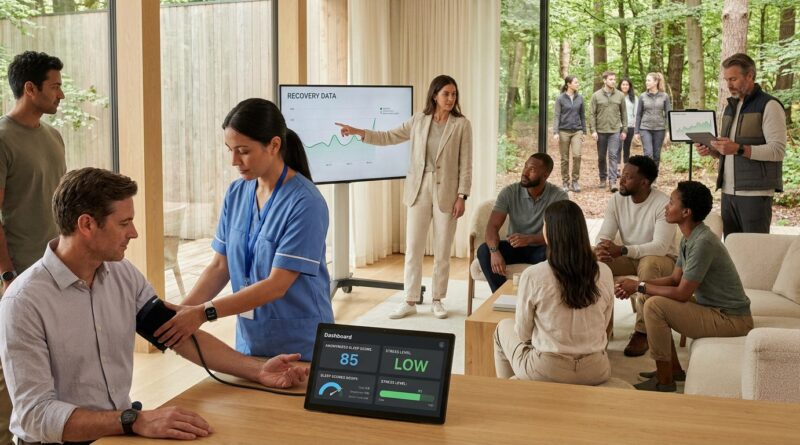
That is why the most interesting post pandemic corporate longevity retreat trends are shifting away from “wellness as a perk” and toward “health as a test run.” The smarter retreats in 2026 look less like a spa weekend and more like a short, carefully designed lab for employee recovery. They track sleep, stress, movement, and energy in real time. They give people simple habits to keep. And they send leaders home with something rare in retreat planning. Evidence.
⚡ In a Hurry? Key Takeaways
- Smart retreats now focus on measurable health outcomes like sleep, stress, and recovery, not just feel-good activities.
- Start with a small pilot retreat using wearables, pre and post surveys, and 2 to 3 habits your company can actually keep using.
- Be careful with privacy. Health data should be voluntary, anonymized, and used for group trends, not employee surveillance.
Why the old offsite model is starting to look dated
Traditional offsites were built for bonding, planning, and a morale boost. Those things still matter. But burnout changed the brief.
After years of remote work, hybrid confusion, constant notifications, and higher stress, companies are being asked harder questions. Did the retreat improve anything real? Did people sleep better? Did they leave with habits that stuck? Did managers learn how to reduce overload back at work?
If the answer is “people seemed happy for a day or two,” that is not enough anymore.
What a longevity-lab retreat actually is
Think of it as an offsite with a before, during, and after plan.
Instead of treating wellness like entertainment, a longevity-lab retreat treats it like a short field test. Participants might use wearables to track sleep, heart rate variability, movement, and recovery. They may do simple intake surveys on stress, energy, and focus before arrival. During the retreat, the schedule is built around proven basics, not trendy extras.
That usually means:
- Better sleep timing and light exposure
- Structured movement, not punishing workouts
- Meals designed for steady energy, not just indulgence
- Stress regulation sessions like breathwork or guided recovery
- Phone boundaries and meeting-free blocks
- Short education sessions on what actually improves recovery
Then comes the part many retreats skip. Follow-through. People leave with a small set of habits, team-level changes, and a way to measure whether any of it lasts.
Why this idea is catching on in 2026
Wellness spending is moving from consumer luxury to workplace strategy
Consumers have already pushed wellness and longevity into the mainstream. Cold plunges, sleep trackers, recovery clinics, metabolic testing, and “healthspan” subscriptions are no longer niche. Employees are bringing those expectations to work. They want support that feels practical, not performative.
Companies are noticing that generic wellness packages do not give them much to show for the spend. A longevity-lab retreat offers a cleaner story. It connects retreat money to retention, energy, attendance, and long-term health habits.
Leaders want data, not just anecdotes
CFOs are not known for approving budgets because “the vibe was great.” They want numbers. Not invasive medical records, but clear signals that a retreat improved something meaningful.
That could be:
- Higher average sleep duration during the retreat
- Lower self-reported stress after three days
- Better recovery scores across the group
- Improved understanding of healthy workload design
- Higher adoption of two or three simple habits 30 days later
Those are not miracle claims. They are useful markers. And useful markers make budgets easier to defend.
Burnout is now an operations issue, not just an HR issue
This is a big shift. Burnout used to get filed under culture or wellness. Now it is also tied to missed deadlines, weaker decision-making, turnover, and healthcare costs. That means operations teams are paying attention too.
A good retreat can surface a hard truth. The problem is often not that employees need more yoga. The problem is that work design is hurting recovery. Once leaders see the data, the conversation gets more honest.
What the best longevity-lab retreats do differently
They measure the right things
The goal is not to turn everyone into a biohacker. It is to get a simple picture of how people are doing.
The most useful metrics tend to be:
- Sleep duration and consistency
- Resting heart rate trends
- Recovery readiness or heart rate variability
- Daily movement
- Self-reported mood, stress, and mental clarity
Notice what is missing. Fancy dashboards for their own sake. More data is not always more helpful. The best programs keep it readable.
They turn insights into company habits
This is where the retreat either becomes valuable or becomes expensive theater.
If people discover they sleep better with fewer late-night messages, then the company should test message cutoffs. If stress drops when meetings start later, maybe that becomes a team policy. If short walking breaks improve energy, managers can build them into event schedules and office routines.
The retreat should not be the whole solution. It should help the company pick a few changes worth keeping.
They respect privacy
This part matters a lot. Employees will only trust these programs if the rules are clear.
Good retreats make participation voluntary. Individual health data stays private. Leaders get anonymized group patterns, not personal scores. Nobody should worry that poor sleep on a wearable could affect a performance review.
If a vendor cannot explain its privacy policy in plain English, move on.
How to pitch one without sounding like you bought into a fad
If you are trying to sell this idea internally, do not lead with longevity buzzwords. Lead with business problems.
Try framing it this way:
- We are already spending on offsites
- We are not measuring whether they improve recovery or resilience
- We can pilot a retreat that produces group-level health insights
- We can use those insights to improve work design after the retreat
- We will have a clearer reason to continue, adjust, or stop the program
That sounds less like trend-chasing and more like responsible testing.
What to ask a retreat provider before signing anything
This is where many teams get stuck. The brochure looks polished. The property is gorgeous. The activity list is full of impressive words. But you need better questions.
Ask about outcomes
- What changes do you expect participants to see during the retreat?
- How do you measure sleep, stress, and recovery?
- What does post-retreat follow-up look like after 30 or 60 days?
Ask about evidence
- Which parts of the program are based on established sleep, stress, or behavior research?
- Which parts are simply optional experiences?
Ask about privacy
- Who owns the data?
- What does the employer see?
- Can employees opt out without pressure?
Ask about practical change
- What 2 to 5 habits are realistic for teams to keep after returning?
- How do you help leaders turn retreat insights into workplace policies?
The smart way to start small
You do not need to fly 300 employees to a mountain resort and outfit everyone with advanced diagnostics on day one.
A better move is a pilot.
Pick one team or leadership group. Set a simple baseline with surveys and optional wearables. Run a retreat with a focused goal, such as improving sleep consistency, reducing stress, or testing a healthier meeting rhythm. Then check in 30 days later.
If the pilot shows clear value, expand. If it does not, you learned something before spending big.
What success looks like after people get home
The real test starts when people open their laptops again.
A strong longevity-lab retreat should produce three things:
- A summary of group-level findings
- A short list of habits worth keeping
- One or two operating changes leaders agree to test
That might mean no internal messages after a certain hour. It might mean protected focus blocks. It might mean later starts after heavy travel. It might mean redesigning future offsites so they do not exhaust the people they are supposed to help.
Those are not glamorous changes. They are useful ones.
At a Glance: Comparison
| Feature/Aspect | Details | Verdict |
|---|---|---|
| Traditional wellness offsite | Good for morale and bonding, but usually light on measurement and follow-up. | Pleasant, but hard to justify as a long-term health investment. |
| Longevity-lab retreat | Uses optional data, structured recovery practices, and post-retreat habit tracking. | Best choice if you need evidence and a plan, not just a reset. |
| Biggest risk | Poor privacy rules or too much focus on gadgets instead of sustainable workplace change. | Only worth it if data stays protected and insights lead to action. |
Conclusion
Wellness and longevity retreats are booming, but many companies are still sending people home with tote bags instead of measurable improvement. That is the gap. A longevity-lab style retreat gives HR and ops leaders a more serious tool. You come back with data on sleep, stress, and recovery. You get a short list of habits that can actually stick. And you finally have a stronger story for the C-suite about why retreat budgets belong inside the long-term talent and health plan, not the swag line. If post pandemic corporate longevity retreat trends are pointing anywhere, it is here. Less pampering theater. More proof, more privacy, and more practical change.