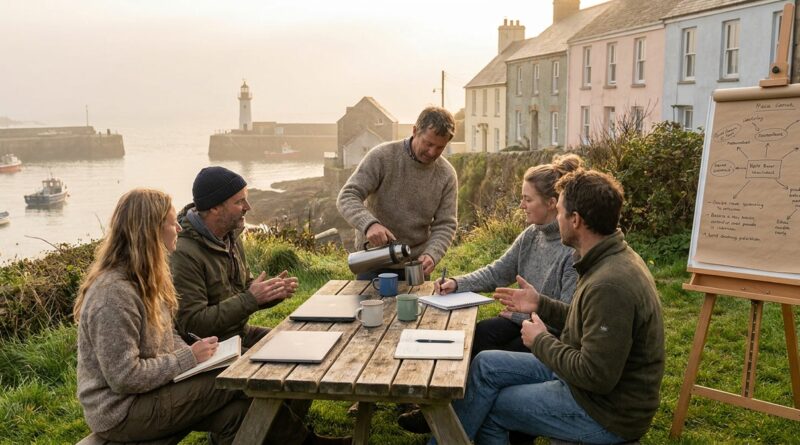
From Offsite To Whycation Retreat: Why 2026’s Smartest Teams Now Blend Strategy With Meaningful Slow Travel
You can feel the squeeze from both sides. Finance wants every retreat dollar explained. Your team is tired, picky about travel, and not excited by another packed agenda in a forgettable hotel. Meanwhile, leadership still expects big outcomes. Better culture. Clearer strategy. Real connection. That is why the post pandemic corporate retreat slow travel trend is getting serious attention in 2026. Smart teams are moving away from the old offsite model and toward what many planners now call a whycation retreat. The idea is simple. If people are going to leave home, the trip needs a reason that feels human and business useful at the same time. That means slower travel, fewer agenda items, calmer locations, and more thoughtful use of place. Done well, this is not a softer retreat. It is a sharper one. You spend less on noise and more on the moments that actually change how people work together.
⚡ In a Hurry? Key Takeaways
- A whycation retreat blends strategy work with slow, meaningful travel so teams get better outcomes without the usual overstuffed schedule.
- Start with one clear business goal, pick an off-season or lesser-known destination, and cut your agenda to a few high-value sessions.
- This model can protect budget and reduce burnout, but only if you avoid fancy extras that do not support team focus, rest, or connection.
Why the old offsite formula is wearing out
For years, the standard company retreat followed a familiar script. Fly everyone in. Book a resort. Fill every hour. Add a keynote, breakout rooms, a dinner, maybe a team challenge, then send people home with tote bags and a slide deck.
It looked productive. It often felt exhausting.
The problem is not just money, though that matters more now. The problem is memory. Most people forget over-programmed retreats fast because there is no room to think, absorb, or talk like normal humans. Everything becomes logistics.
That is where the whycation model starts to make sense. It asks a basic question. Why are we gathering in person at all?
If the answer is strategy, culture, trust, renewal, or decision-making, then the schedule and destination should support those outcomes. Not fight them.
What a whycation retreat actually means
A whycation retreat is not just a nicer trip with better branding. It is a retreat designed around purpose first, then pace.
Instead of chasing the busiest destination with the biggest conference package, you choose a place that helps people slow down enough to do meaningful work. That could mean a coastal town in shoulder season, a vineyard region with easy train access, a walkable mountain village, or a quiet countryside property near a secondary airport.
The trip itself becomes part of the design. Fewer transfers. Less rushing. More windows of unscheduled time. Fewer but better sessions.
This is the heart of the post pandemic corporate retreat slow travel trend. Teams are not just trying to travel cheaper. They are trying to travel in a way that feels worth the disruption.
Why slower travel often creates stronger strategy
Fast trips create shallow thinking. People spend half their mental energy getting there, checking in, finding rooms, switching contexts, and recovering from the pace.
Slower retreats do the opposite. They lower the noise floor.
People arrive less fried
When you reduce connections, long bus transfers, and jam-packed arrival days, people show up with more patience and attention. That matters if you need them to make hard decisions or talk honestly.
Place can do some of the work for you
A calm environment changes the tone of a conversation. Quiet locations help teams talk longer, listen better, and think in bigger time horizons. You do not have to force depth when the setting supports it.
White space matters
Some of the best retreat moments happen between sessions. A walk after breakfast. A conversation on a terrace. A quiet hour that lets an idea sink in. Those moments often produce more trust than formal activities ever do.
Why this approach can cost less, not more
At first glance, meaningful travel sounds expensive. In practice, it can be a smart budget move.
Off-season pricing is your friend
Traveling just outside peak dates can cut room rates, venue fees, and even airfare. You also get more attention from local partners because you are not competing with peak-season demand.
Under-the-radar locations often beat famous ones
You do not need the trendiest resort town to create a memorable retreat. Lesser-known destinations can offer lower rates, easier booking, and a stronger sense of discovery. That helps both the budget and the experience.
Smaller agendas cut hidden costs
Every added activity carries a price. More transport. More staffing. More setup. More AV. More food windows. If you cut the agenda from twelve moving parts to five strong ones, your budget often gets cleaner fast.
How to build a whycation retreat without losing business credibility
This is the part many planners worry about. If the retreat sounds too soft, leaders may think it is a perk disguised as strategy.
The fix is simple. Tie every part of the retreat to one or two outcomes that matter to the business.
Start with one big question
Do not build the trip around a theme. Build it around a decision. Examples:
What must our leadership team agree on for the next 12 months?
What cultural habit is hurting performance across departments?
What needs to happen for our hybrid team to trust each other more?
Design only a few high-stakes moments
You do not need eight workshops. You need two or three sessions that really count. A strategy session with pre-read material. A candid culture discussion. A structured reflection block that turns insights into next steps.
Use local experiences on purpose
Do not add a local activity just because it looks good on Instagram. Pick experiences that support the retreat goal. A guided walk can open a strategy conversation. A slow shared meal can support relationship repair. A workshop with a local maker can spark thinking about craft, patience, or quality.
If you want another way to make retreats more useful, the idea in From Offsite To Micro-Mentorship Retreat: Why 2026’s Smartest Teams Now Pair Every Employee With A 48‑Hour Growth Partner fits well here too. Pairing people intentionally can turn informal retreat time into real growth instead of random mingling.
What a smart 3-day whycation agenda looks like
Here is a simple example. Notice what is missing. Constant motion.
Day 1: Arrive and settle
Easy arrival window. Light welcome meal. One opening session with clear goals. Then stop. Let people rest and talk.
Day 2: Deep work and shared experience
Morning strategy block. Long lunch. Afternoon local activity tied to the retreat purpose. Evening reflection dinner with simple prompts.
Day 3: Decisions and follow-through
Short recap. Final decision session. Personal commitments. Team next steps. Depart without cramming in one more “fun” thing that leaves everyone rushed.
That is enough. More is usually less.
Common mistakes that ruin the model
Treating “slow” as “empty”
Slow does not mean vague. You still need structure. People should know why they are there and what success looks like.
Choosing a hard-to-reach place
A remote destination can sound peaceful, but if it takes two flights, a ferry, and a van ride, your calm retreat starts with stress. Slow travel should reduce friction, not add it.
Overloading the wellness angle
Your team may enjoy yoga at sunrise. They may also roll their eyes. Keep the experience grounded in reality. Restorative does not have to mean performative.
Forgetting the re-entry plan
A great retreat dies on Monday morning if nobody knows what happens next. End with owners, dates, and a short summary while the trip is still fresh.
How to sell a whycation retreat to leadership
If you need approval, do not pitch vibes. Pitch outcomes and risk reduction.
Talk about cost control
Show the savings from shoulder-season pricing, fewer scheduled vendors, and simpler logistics.
Talk about retention and burnout
Employees are more selective now about business travel. A thoughtful retreat can feel like respect, not extraction. That matters.
Talk about decision quality
Leaders understand this fast. A team that has room to think clearly will usually make better decisions than one pushed through a marathon schedule.
What employees actually want from these retreats
Most employees do not need a luxury experience. They want a trip that feels worth leaving home for.
That usually means:
less rushing
more real conversation
clear purpose
time to breathe
fewer cheesy activities
When you meet those needs, attendance stops feeling like an obligation. It starts feeling useful.
At a Glance: Comparison
| Feature/Aspect | Details | Verdict |
|---|---|---|
| Traditional offsite | Busy schedule, common resort destination, lots of sessions and logistics, often high spend with mixed long-term impact. | Works for short-term visibility, but often weak on depth and memory. |
| Whycation retreat | Purpose-led agenda, slower pace, off-season or lesser-known location, more thinking time and fewer but stronger moments. | Best fit for strategy, culture repair, and meaningful team connection. |
| Budget and employee value | Lower rates and simpler logistics can cut costs, while calmer travel and better design make the trip feel more worthwhile. | Strong option when you need both financial discipline and a better employee experience. |
Conclusion
The smartest retreat planners in 2026 are not trying to do more. They are trying to do what matters, in a setting that helps people actually do it. That is the real promise of the post pandemic corporate retreat slow travel trend. You do not have to choose between budget discipline and a humane experience. A whycation-driven retreat model gives you a practical middle path. Pick slower, off-season, or under-the-radar destinations. Cut the schedule down to a few moments that really matter. Use local partners and the setting itself to support strategy, connection, and recovery. When you do, you give finance a clearer story, employees a better reason to travel, and leaders a retreat people will still be talking about a month later for the right reasons.