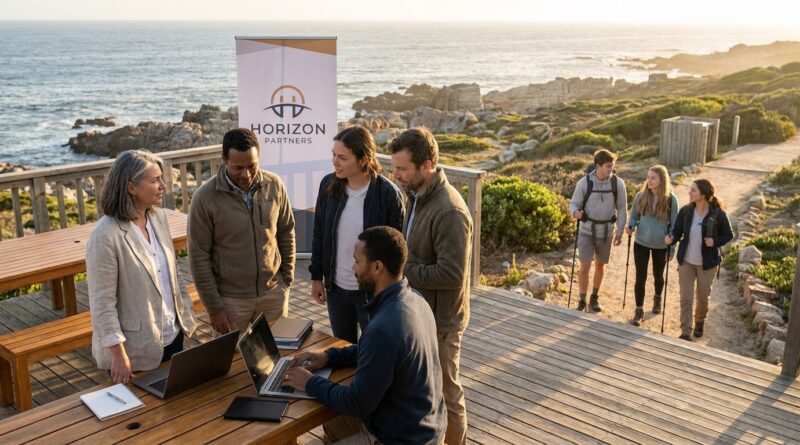
From Offsite To Work‑From‑Anywhere Retreat: Why 2026’s Smartest Teams Now Design Gatherings Around Bleisure, Not Boardrooms
You can feel the trap straight away. Call it a retreat and people worry it will be three long days of presentations in a hotel ballroom. Call it optional and attendance drops. Make it expensive and finance asks what, exactly, the company is buying. That is why the smartest planners in 2026 are changing the brief. They are not building old-style offsites with a bit of fun squeezed in. They are designing temporary work-from-anywhere hubs that bring people together for real collaboration, then give them space to rest, explore, or extend the trip on their own terms. It is a better fit for how hybrid teams actually live now. It also lines up with the biggest post pandemic corporate bleisure retreat trends. People will travel for something useful, human, and flexible. They just do not want to burn time and energy sitting through a fake culture event dressed up as a perk.
⚡ In a Hurry? Key Takeaways
- Smart teams now plan retreats around focused work plus optional leisure, not all-day boardroom sessions.
- Start with clear business outcomes, then build in flexible schedules, quiet work time, and easy trip extensions.
- This approach can raise attendance and goodwill, but only if company-paid time, personal time, and costs are explained clearly.
Why the old offsite model is wearing thin
People are not being difficult. They are being honest with their calendars, their energy, and their personal lives.
For years, the company retreat was sold as a culture fix. Fly everyone somewhere nice. Book a meeting room. Add a dinner and maybe a team-building activity. Then hope people return more aligned, more loyal, and somehow refreshed.
That script does not land the same way anymore.
Hybrid employees already know they can do status updates on Zoom. Senior staff know forced social time does not magically create trust. Parents and caregivers know that three days away has a real cost. So when a retreat feels like mandatory travel without enough upside, people resist. Politely, of course.
This is exactly why the rise of bleisure matters. If you want a useful read on that shift, From Offsite To Bleisure-Retreat: Why 2026’s Smartest Teams Now Let People Add Real Vacation To Company Trips captures the mood well. The short version is simple. Employees are far more willing to show up when the trip respects both their work and their life.
What a work-from-anywhere retreat actually looks like
Think less “conference agenda.” Think more “pop-up team base camp.”
A modern retreat has structure, but not wall-to-wall structure. It creates moments that are hard to reproduce online, then leaves breathing room around them. That usually means:
- Short, high-value collaborative sessions
- Plenty of informal conversation time
- Quiet space for solo work
- Clear optional leisure blocks
- Simple ways for employees to stay longer at their own expense or with approved policies
The key difference is intent. You are not trying to justify the flight by stuffing every hour. You are trying to make the trip worth taking.
Good retreat time is hard to fake online
If a session could have been an email, do not fly people in for it.
Use in-person time for things that genuinely benefit from shared space. Product planning. Cross-team problem solving. Leadership Q&A with real discussion. Mentoring. Onboarding key hires. Repairing strained team relationships. Those are strong reasons to gather.
Not every hour should be programmed
This is where many retreat plans go wrong. Organizers panic about “dead time” and pack the schedule. But dead time is often where the useful stuff happens. People catch up over coffee. A designer and an engineer finally sort out a long-running issue. A new hire feels comfortable enough to ask the question they would never ask in a 40-person meeting.
Leave white space in the day. It is not waste. It is part of the design.
How to satisfy the CFO and the CEO at the same time
It sounds impossible, but it is mostly a framing problem.
For the CFO, define outcomes before destinations
Start with what the retreat needs to produce. A sharper product roadmap. Faster onboarding for a distributed team. Better coordination after a merger. A new annual plan. Put that in writing first.
Then connect spend to those outcomes. If you cannot explain why being together matters, the budget will always look soft.
Helpful metrics include:
- Attendance rate across hybrid and remote staff
- Post-retreat project decisions made in person
- Time saved on follow-up meetings after the event
- Employee satisfaction and willingness to attend again
- Retention signals for hard-to-replace staff
For the CEO, make culture visible without making it cringe
Culture is not a slogan on a slide. It is how people work, decide, disagree, and recover together.
A strong retreat lets leaders model that in real time. Open Q&A. Honest updates. Small-group conversations instead of stage-managed speeches. Shared meals without forced fun. A little trust goes a long way when it feels earned.
If your CEO wants culture, give them settings where people can actually connect. Not just clap.
How to build a retreat people will say yes to
1. Pick a destination that works for work
This sounds obvious, but it gets missed all the time. Pretty is not enough.
You need reliable Wi-Fi, decent work areas, sane travel times, food options, and lodging that does not make people feel trapped. If people may extend their stay, the location also needs to be easy to navigate and reasonably safe for solo travelers or families joining later.
2. Keep the core agenda short and sharp
A good rule is to define a clear company-required window, often two to three days, then leave edges flexible. The mandatory part should focus on collaboration, not information dumping.
Instead of eight-hour agenda blocks, try:
- Morning strategy sessions
- Long lunch breaks
- Afternoon workshops or team sprints
- Free evenings or optional group plans
That rhythm gives people energy back. It also makes room for actual work.
3. Be crystal clear about what is optional
This is where trust can be won or lost.
If the company dinner is optional, say so. If the hike is optional, mean it. If trip extensions are allowed, explain the booking rules, date limits, and who pays for what. The more specific you are, the less resentment you create.
Ambiguity makes people nervous. Clarity makes them more likely to come.
4. Design for different life situations
Not everyone travels the same way. Some employees want to add two vacation days. Others need to get home fast. Some may want a partner to join after the company portion ends. Others just want a quiet room and an early night.
Give people options without turning the plan into chaos. That can mean negotiated hotel extension rates, flexible return flights within policy, or a list of low-effort local activities for people who want downtime but do not want a packed itinerary.
The practical policy questions you should answer early
Bleisure sounds easy until accounting gets involved. So get the rules right up front.
Who pays for what?
Keep the company-paid portion tightly defined. Cover the retreat dates, business meals, and work sessions. If employees extend the trip, spell out which extra hotel nights, airfare changes, and personal expenses are on them.
What happens if someone works during their extension?
This matters, especially for remote-first teams. If the company says people can stay longer, decide whether they are on PTO, working remotely, or mixing the two. Put it in plain language. Otherwise managers will make up different rules as they go.
What about duty of care?
Even if leisure time is personal, employers still need sensible travel guidance. Share local safety information, emergency contacts, and support rules. If people are extending internationally, make sure insurance and compliance questions are not left hanging.
Common mistakes that make a bleisure retreat flop
- Calling it flexible, then scheduling every minute
- Picking a glamorous location that is painful to reach
- Trying to force bonding through awkward activities
- Leaving expense policies vague
- Making remote staff feel like second-class attendees if they cannot stay longer
- Measuring success by photos instead of outcomes
If this trend is going to work, it has to be fair. Not just attractive on LinkedIn.
Why this trend is growing now
The post pandemic corporate bleisure retreat trends are not about employees wanting freebies. They are about people protecting their time.
Business travel now has to compete with everything else in a person’s life. Family time. Focus time. Actual vacation. If a company wants employees to pack a bag and show up in person, the experience has to do more than tick a culture box.
That is why the work-from-anywhere model is catching on. It matches reality. People can collaborate hard for the core retreat period, then use the setting in a way that fits their life. Some will rest. Some will explore. Some will bring a partner for the weekend. Some will leave the minute the final session ends. All of those can be fine.
At a Glance: Comparison
| Feature/Aspect | Details | Verdict |
|---|---|---|
| Traditional offsite | Packed meeting agenda, limited free time, travel justified mainly by presentations and team dinners. | Harder sell in hybrid teams. Often feels mandatory rather than meaningful. |
| Bleisure-style retreat | Focused collaboration window plus optional downtime or personal trip extension with clear rules. | Best balance of attendance, goodwill, and useful outcomes when planned carefully. |
| Work-from-anywhere retreat hub | A retreat built around real work, flexible schedules, quiet space, and personal choice before or after the core event. | Strongest fit for 2026 teams. Feels modern, practical, and respectful of people’s time. |
Conclusion
The retreat is not dead. The bad retreat is. That is the real lesson behind the fastest-growing post pandemic shift in team travel. When business and leisure are allowed to mix in a sensible way, people are more likely to attend, more likely to engage, and less likely to see the trip as a chore with cocktails attached. Executives are finally admitting what employees figured out years ago. Gatherings only work when they feel like a meaningful use of time, not a forced march through slide decks. If you design your next event as a temporary work-from-anywhere hub with optional leisure around it, you have a much better chance of pleasing finance, leadership, and the people you actually want in the room. That turns the retreat from a budget headache into something far more useful. A real talent and retention asset.