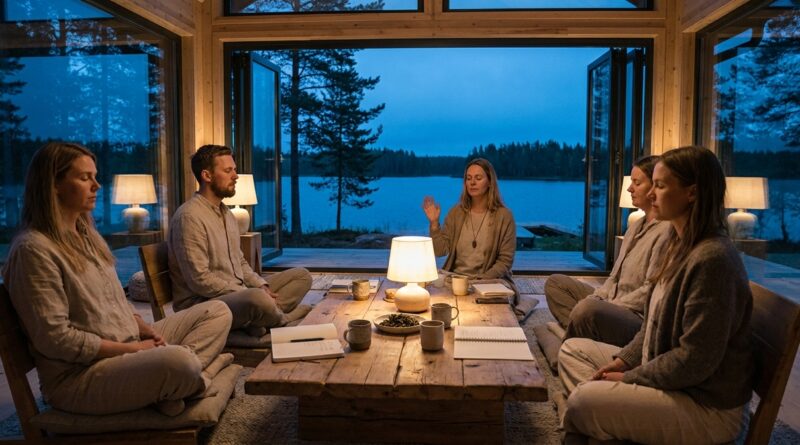
From Offsite To Nervous-System Retreat: Why 2026’s Smartest Teams Now Design Gatherings Around Real Rest, Not Forced Fun
Your team does not need another retreat that feels like a three-day work sprint in nicer scenery. If people are flying in already tired, sleeping badly and juggling overloaded calendars, a packed offsite with back-to-back sessions, forced bonding and late-night drinks can land as one more demand on an already fried nervous system. That is why the smartest planners are changing course. The 2026 shift is not about making retreats softer. It is about making them useful. A proper corporate retreat nervous system reset gives people room to settle, think clearly and connect without performance pressure. That often means fewer agenda items, more sleep, quieter spaces and activities people can opt into without feeling judged. If that sounds less flashy, good. Flashy is often the problem. Calm is what helps people come back more focused, more trusting and a lot less resentful about having to travel in the first place.
⚡ In a Hurry? Key Takeaways
- Teams are getting more value from retreats built around rest, choice and calm than from jammed schedules and forced fun.
- Start with three fixes: shorten the agenda, protect sleep and add quiet, optional connection time.
- A nervous-system-friendly format can reduce burnout, improve trust and make expensive travel feel worth it again.
Why the old retreat formula is starting to backfire
For years, the classic company offsite had a familiar recipe. Early flights. Full-day workshops. Team-building games. Group dinners. Late-night drinks. Then a rushed trip home with an inbox waiting.
On paper, it looks energizing. In real life, it often leaves people depleted.
That gap matters. Leaders may believe a high-energy program shows care and investment. Burned-out employees often experience the same program as noise, pressure and one more thing to survive.
This is why the retreat conversation is changing. A lot of teams are not asking, “How do we make this more exciting?” They are asking, “How do we stop making people more tired?”
That is the logic behind the move toward what many planners now describe as a nervous-system-friendly retreat. If you want a good deeper read on that shift, From Offsite To Nervous‑System Retreat: Why 2026’s Smartest Teams Now Design Gatherings To Physically Switch Off Fight‑Or‑Flight captures the core problem well. Plenty of teams come home from an expensive gathering more tired than when they left.
What a corporate retreat nervous system reset actually means
This is not therapy. It is not a spa weekend pretending to be strategy. It is simply designing the event around how stressed humans actually function.
When people have been running hot for months, sometimes years, they do not instantly become creative, open and collaborative because you changed the background to a mountain lodge. Their bodies still read overload as overload.
A corporate retreat nervous system reset means building the gathering so people can come down a notch. That usually includes:
- More transition time and less rushing
- Later starts or lighter mornings after travel
- Predictable schedules with breathing room
- Quiet zones and low-sensory spaces
- Optional activities instead of mandatory fun
- Meals and conversations that are not squeezed between sessions
- Enough unstructured time for real peer connection
The goal is not laziness. The goal is to help people feel safe enough to engage.
The signs your current retreat is overstimulating people
If you are not sure whether your format is the issue, watch for a few red flags.
People call the retreat “valuable” but look wrecked
Post-event surveys can be misleading. Employees know these events are expensive. Many will be polite. Look at behavior too. Are people visibly drained, checking out early or taking extra recovery days after the trip?
Networking feels stiff and transactional
When a schedule is too packed, people do not relax into conversation. They perform. That makes the retreat feel efficient but not especially human.
The “fun” parts get the weakest energy
If the zip line, karaoke night or surprise competition gets thin applause, that is not because your people forgot how to have fun. It may be because they need rest more than stimulation.
Introverts, caregivers and neurodivergent staff struggle most
When an event only works for highly social, high-energy personalities, the format is too narrow. Good retreat design should not quietly punish half the company.
Why rest is now a business decision, not a nice extra
There is a practical reason this trend is taking off. Burnout is expensive. Attrition is expensive. Retreat skepticism is expensive too.
If employees think offsites are performative, they stop trusting leadership’s intent. If they come back more exhausted, the company has paid travel and venue costs for a worse outcome.
By contrast, a calmer gathering can improve three things at once.
- It lowers the stress load around travel and attendance.
- It creates better conditions for honest conversation.
- It makes people more likely to feel the event respected their time and energy.
That is not fluffy. That is operationally smart.
A step-by-step playbook for a better retreat
1. Start with one question, not a giant agenda
Before booking anything, ask: what does this gathering need to do that Slack, Zoom and email cannot do well?
If the answer is trust-building, strategy alignment or cross-team connection, build only for that. Drop the filler.
Too many retreats fail because they try to do everything. Quarterly planning. Executive updates. Team bonding. Training. Celebration. Vision setting. Problem solving. Wellness. That is too much for two or three days.
2. Design around travel reality
If people are flying in, day one should not begin with a keynote at 9 a.m. after airport delays and bad sleep. That is setting everyone up to fail.
Better options include:
- Arrival windows instead of immediate sessions
- A light welcome meal instead of heavy programming
- No critical decisions on the first evening
- Clear transport plans so nobody starts the event stressed
3. Protect sleep like it is part of the budget
Because it is. Sleep affects mood, patience, memory and group dynamics. Yet companies often sabotage it with late dinners, open bars and early starts.
Try this instead:
- No required late-night events
- Morning sessions that start at a humane hour
- Reasonable dinner timing
- Quiet room blocks or accommodations away from nightlife if possible
You do not need to ban socializing. Just stop making exhaustion the default.
4. Build in empty space on purpose
This is the part many leaders resist. They worry that downtime looks wasteful.
It is not wasteful if it lets people have the conversations that actually matter.
Ten unscheduled minutes between sessions is not downtime. It is a bathroom break. Real breathing room means an hour after lunch, a free afternoon block or a choice-based evening.
That is when people talk honestly. That is when trust often grows.
5. Replace forced fun with optional connection
You do not need to ban activities. You need to stop treating one type of activity as universally fun.
Offer a mix:
- Quiet walks
- Casual coffee chats
- Simple creative stations
- Small group dinners
- Low-pressure local experiences
Optional beats mandatory almost every time. Adults like choice. Especially tired adults.
6. Use low-sensory spaces
Not every retreat needs sound baths and meditation instructors. Sometimes the most helpful move is simpler. Lower the music. Reduce glare. Avoid rooms that feel like conference center punishment. Provide a place where people can sit quietly without needing to explain themselves.
This helps everyone, not just the people who already know they are overloaded.
7. Keep the content lighter and sharper
If your slide deck could have been an email, do not present it live.
Save in-person time for things that benefit from shared presence. Discussion. Decision-making. Reflection. Problem-solving in small groups. Story-sharing across teams.
Shorter sessions often work better. So do fewer speakers.
8. Tell people what to expect
Uncertainty is tiring. A clear pre-event note can lower anxiety before anyone arrives.
Include:
- Travel and transfer details
- Dress expectations
- What is optional and what is not
- When quiet time is built in
- Who to contact for access, health or sensory needs
This sounds basic, but it changes how safe and manageable the event feels.
9. Ask different survey questions afterward
Do not just ask whether people “enjoyed” the retreat. Ask whether the pacing felt sustainable. Whether they had enough rest. Whether the schedule allowed meaningful conversation. Whether they returned feeling clearer or more depleted.
If you do not measure the human side, you will keep overvaluing busy-looking agendas.
What to cut first if your retreat is too full
If your current plan already looks crowded, start trimming here.
- Duplicate presentations from leaders
- Mandatory evening entertainment
- Icebreakers that make adults cringe
- Back-to-back panels with no discussion time
- Travel-day programming that requires high attention
Most teams will not miss these. They will notice the breathing room.
What skeptical leaders usually get wrong
Some leaders hear “rest-focused retreat” and imagine lower standards or weak outcomes. That misses the point.
People do better thinking when they are not overstimulated. They connect better when they are not being pushed into performative bonding. They are more open in strategy conversations when their bodies do not feel like they are in constant catch-up mode.
A calmer retreat is not anti-performance. It is often the best route to better performance.
How to explain this shift inside your company
If you need buy-in, keep your language practical.
Try something like this: “We are redesigning the offsite to improve focus, reduce travel fatigue and create more useful face time. That means fewer sessions, more recovery space and more optional connection time.”
Notice what that does. It frames the change as better design, not indulgence.
At a Glance: Comparison
| Feature/Aspect | Details | Verdict |
|---|---|---|
| Packed traditional offsite | Early starts, dense agendas, mandatory activities, late nights and little recovery time | High energy on paper, often low value in real life |
| Nervous-system-friendly retreat | Lighter pacing, protected sleep, optional connection, quiet space and focused live sessions | Better for trust, clarity and sustainable engagement |
| Best first step | Cut one-third of the agenda and add one meaningful block of unstructured time | Simple change, big signal that the company respects people’s energy |
Conclusion
The big shift for 2026 is simple. Leaders often think teams need more stimulation, more inspiration and more organized fun. Burned-out employees usually need the opposite. They need less pressure, more room to breathe and a gathering that does not quietly punish them for showing up. Retreat and travel trends now point in the same direction. Mental health, purposeful rest and low-sensory environments are moving from nice extras to smart planning basics, while the best event outcomes are coming from slower peer connection, not gimmicks. If you use this playbook for your next corporate retreat nervous system reset, you can address burnout, skepticism and trust issues in one move. More importantly, you give your team a retreat that feels respectful. That is often the difference between an event people endure and one that actually helps.